
These are the questions I get asked, roughly in the order people ask them. Short answers, with a link to the long version where there is one.
Cost and value
How much does a whole house generator cost installed? $9,500–$15,000 for a typical whole-home natural gas system in 2026. The generator is only 30–40% of that — the rest is the transfer switch, licensed electrical and gas work, the pad and permits. Full breakdown.
Why is installation so expensive? Because it's two licensed trades. An electrician connects a new power source to your service; a gas fitter runs and often upsizes a gas line. Both are permitted and inspected. That's not markup — it's the actual work.
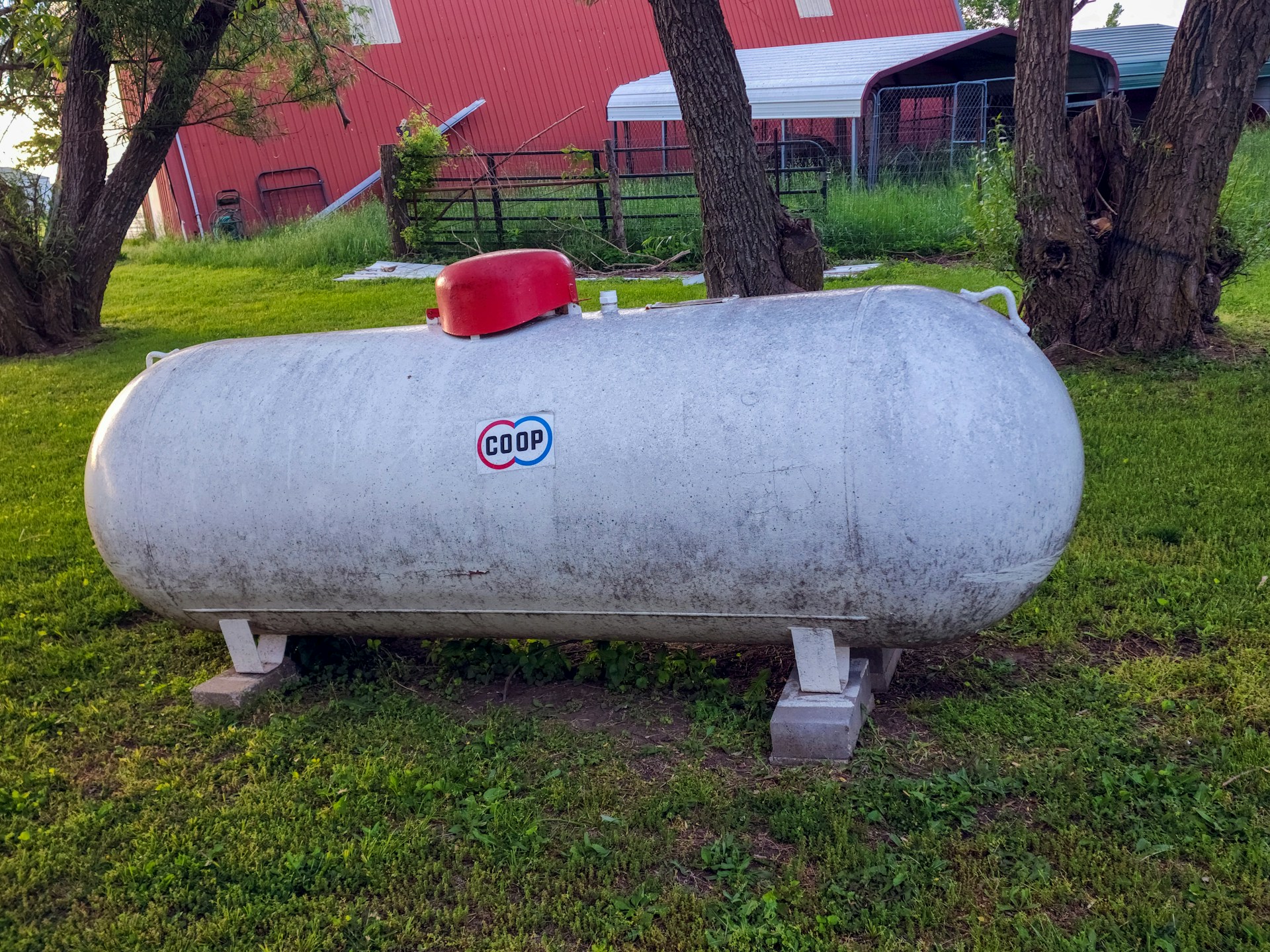
What costs surprise people? Gas line upsizing ($800–$3,000), long trenches ($500–$3,000), an electrical service or panel upgrade ($1,500–$4,000), and a propane tank ($1,000–$3,500).
What does it cost to own? Roughly $500–$900 a year: annual service, exercise-cycle fuel, a battery every few years, monitoring if it's a subscription, and averaged out-of-warranty repairs. Over fifteen years, most homes land around $17,000–$26,000 all in.
Is there a tax credit for a home generator? No federal one. The Section 25D residential clean energy credit terminated for property placed in service after December 31, 2025, and standby generators were never broadly eligible for it anyway. Check state and utility programs, particularly for battery storage.
Does a generator increase home value? In outage-prone markets, meaningfully; in stable-grid metros, modestly. The widely quoted "3–5%" figure comes from marketing, not appraisal research. The better-documented benefit is faster sale and stronger negotiating position. The evidence.
Is financing worth it? Cash first, then a HELOC, then a genuine 0% promotional offer you can clear in the window. Be careful with deferred-interest offers and PACE, and skip residential leasing. Options compared.
Sizing and capacity
What size generator do I need? Most homes: 18–22 kW for whole-home coverage. Larger homes with multiple AC units: 24–26 kW. Essential circuits only: 7–11 kW. But size from a real load calculation — use the calculator and make your installer show their numbers.
Can I size by square footage? No. A 5,000 sq ft home with gas heat and efficient AC has lower peak demand than a 2,800 sq ft all-electric home with a heat pump. Square footage is a proxy for nothing useful.
What actually determines the size? The largest motor's starting surge — usually the air conditioner or well pump — which is 2–3× its running watts. That instantaneous demand is what the generator has to survive.
What is load management, and do I need it? A module that temporarily sheds a large load when the generator nears capacity, then restores it. It routinely lets a 22 kW unit run a house someone was quoted 32 kW for, at a fraction of the cost. Almost always worth it. Sizing myths.
Is bigger safer? No. Oversizing costs more to buy, more to install, more to fuel, and on some engines causes problems from chronic light loading.
Does elevation matter? Yes — roughly 3% less output per 1,000 feet. At 5,000 feet a 22 kW unit delivers closer to 19 kW. Heat derates it further.
Will it run my air conditioning? Usually yes, with correct sizing or load management. Two or three AC units is where you need a real calculation.
Will it run an electric range, dryer and water heater? It can, but these are large loads and are the usual candidates for load management. Many households simply don't run them during an outage.
Fuel
Natural gas or propane? Natural gas if you have a main: cheapest to run, never runs out, no tank. Propane if you don't: stores indefinitely, works anywhere, but 3–5× the running cost and finite. Full comparison.
How long will it run on propane? Roughly 2–3 gallons per hour at moderate load for a 20–22 kW unit. A 250-gallon tank is about 80 hours; a 500-gallon tank about a week.
What size propane tank should I get? 500 gallons for whole-home standby. It covers most real outages without an emergency delivery.
Should I buy or lease the propane tank? Buying usually wins over fifteen years if you have competitive local suppliers, because leasing typically ties you to that supplier's pricing.
Does natural gas go out during storms? Rarely. Underground distribution generally survives the weather that takes down overhead power lines — which is exactly the correlation you want.
Can I convert between natural gas and propane? Standby units are typically field-convertible — a jet and regulator change, done at commissioning. Confirm with your dealer, and make sure they set it for the fuel you'll actually use.
Does the fuel affect output? Yes. The same engine makes 5–10% less on natural gas than on propane. Size from the rating for your fuel.
Installation
How long does installation take? One to two days on site. The whole project, signature to inspection sign-off, commonly runs four to twelve weeks — mostly permits and equipment lead time.
Can I install it myself? No. Connecting a generator to your electrical service and gas system requires licensed trades, permits and inspection nearly everywhere. Improvised connections are how people electrocute utility workers.
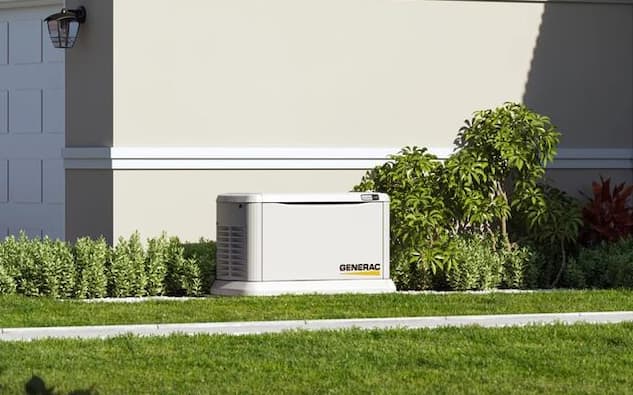
Where does it go? On a pad beside the house, at manufacturer and code clearances — typically 18 inches from the structure, well away from windows, doors and vents, with clear airflow and service access. Installation guide.
How far from the house does it have to be? Follow your manual and local code. The clearance from openings is the safety-critical one — that's the carbon monoxide distance.
Does my gas line need upgrading? Often. A 22 kW generator is a large gas load and must run simultaneously with your furnace, water heater and range. A good installer checks this at the site visit.
Does my electrical panel need upgrading? Sometimes — older 100-amp services, full panels, or panels from manufacturers no longer considered safe. $1,500–$4,000, and it's an upgrade you'd likely need eventually anyway.
Concrete pad or composite? Both are fine. Composite bases are common now, cheaper, and adequate for air-cooled units. Poured concrete is standard for larger machines.
Permits and rules
Do I need a permit? Almost certainly — electrical and mechanical/gas at minimum. Never accept an unpermitted installation: it creates a disclosure problem at sale, can affect insurance, and means nobody independent verified the work. Permits and code.
Who pulls the permits? Normally your installer. Confirm which quotes include it.
Can my HOA stop me? They can impose conditions — screening, placement, sound limits, exercise timing. Outright bans are less common but do exist. Bring the manufacturer's sound rating and a site plan to the review. HOA and townhome installations.
Are there noise ordinances? Some jurisdictions restrict operating hours for non-emergency running, which affects exercise scheduling. Outage operation is normally exempt.
Operation
How fast does it start? About 10 seconds from the outage — a few seconds to confirm it's real, then start, stabilize and transfer.
Will the power be truly uninterrupted? No. There's a roughly 10-second gap. For a computer or medical device, add a small UPS. Power quality.
Does it work if I'm not home? Yes. That's the main advantage over a portable.
How long can it run continuously? On natural gas, indefinitely. Check oil every 24 hours of continuous running. Runtime.
What's the weekly exercise cycle? A 10–20 minute self-test that circulates oil, charges the battery and proves the machine works. Not optional — it's the reason standby units are far more reliable than stored portables.
Can I change when it exercises? Yes, in the controller. A weekday mid-morning resolves most neighbor complaints.
Should I shut it off during a thunderstorm? No — that's what it's for. It has its own protection, and a whole-house surge protector covers the electronics. The full answer.
Can I monitor it from my phone? Yes, on all current units. Cellular monitoring is more reliable than Wi-Fi for a machine 40 feet from the house — and your router is off during an outage unless it's backed up. Monitoring compared.
Noise
How loud is it? 62–67 dBA at 23 feet — comparable to a central AC unit or normal conversation. Noise levels.
Which is quietest? Champion's 14 kW aXis at 62 dBA. But the whole field spans about 5 dBA — placement matters far more than brand.
How do I make it quieter? Reschedule the exercise cycle (free, fixes most complaints), enable quiet-test mode if available, add distance, then build a barrier wall outside the clearance envelope. Sound reduction guide.
Can I build an enclosure around it? Only outside the manufacturer's clearance envelope, two sides maximum, exhaust side open. Never wrap or box a unit in service — you'll overheat it.
Maintenance
How often does it need service? Annually or every 100–200 hours for air-cooled units. The full program.
What does annual service cost? $200–$500 from a dealer. $60–$120 in parts if you do it yourself on an air-cooled unit.
Can I do maintenance myself? Oil, filters, plugs, battery and cleaning — yes, if you're mechanically comfortable. Valve adjustment, fuel system work, alternator and controller diagnosis, and transfer switch work — no. Check your warranty terms first. What you can and can't do.
How often do batteries need replacing? Every 2–4 years, on a schedule. Two to three in hot climates. This is the single highest-value maintenance item you can do.
Why won't it start? In order of likelihood: dead battery, unit left in OFF, deferred maintenance, closed fuel valve or empty tank, blocked airflow. Four of those five you can check yourself in two minutes.
How long will it last? 15–25 years with maintenance; 8–12 without. Lifespan.
Is a service contract worth it? Worth it mainly for priority response after a regional storm, and if you won't DIY. Either way, keep the records — warranty claims and buyers both ask for them.
Safety
Is carbon monoxide a risk? Yes, and it's the thing that actually kills people. Permanently installed standby units are sited at code clearances specifically to manage it, which is a real safety advantage over portables. Install CO alarms on every level regardless. carbon monoxide safety.
What is backfeeding? Connecting a generator to your house without a transfer switch — most notoriously a double-male "suicide cord" — which can energize utility lines and kill a lineman. Always use a proper transfer switch or interlock, installed by an electrician. This applies to portables too.
Is it safe in the rain or snow? Yes. The enclosure is weather-rated. Clear snow from the intake and exhaust after heavy falls, and never cover a unit in service.
What if it floods? Never start a flood-exposed generator without inspection. In flood-prone areas, elevate above Base Flood Elevation at installation. Flood-prone placement.
Brands and buying
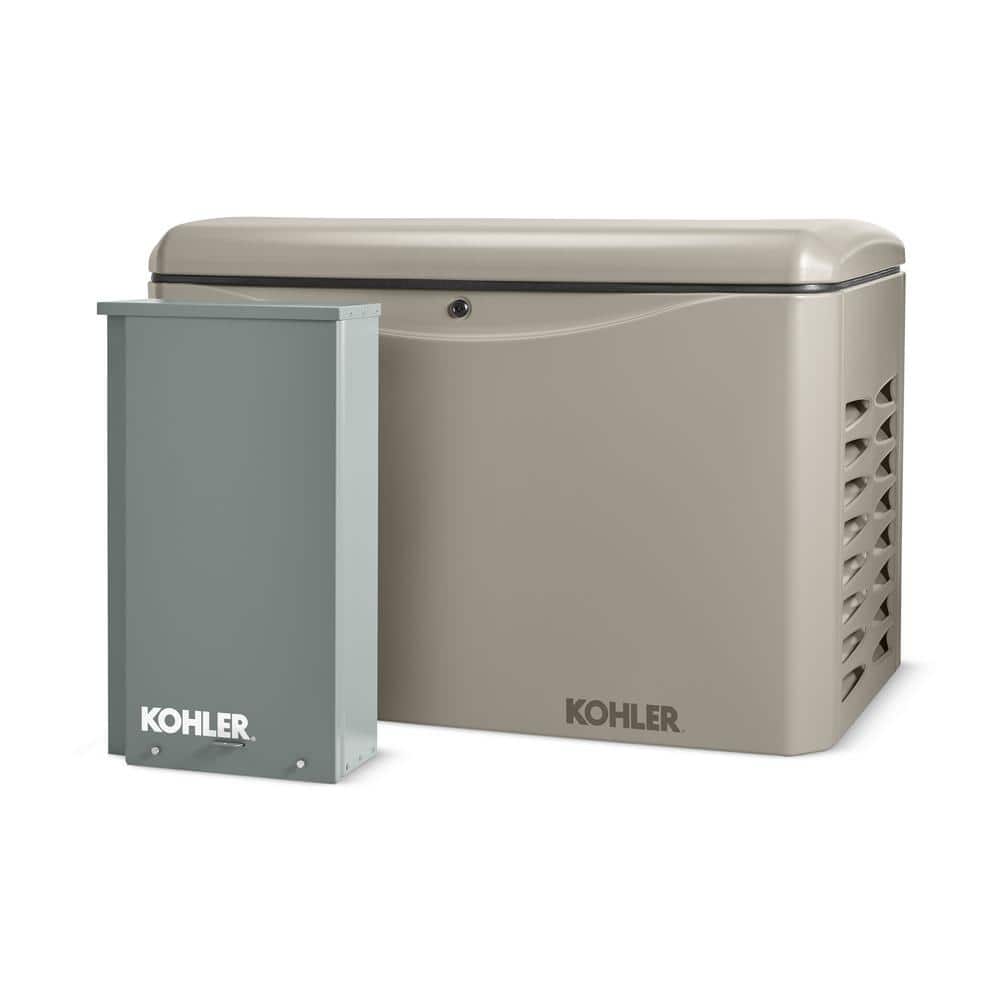
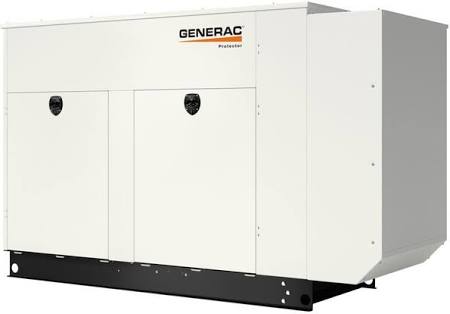
Which brand is best? All six major brands build reliable units. Generac has the largest service network; Briggs has the strongest warranty; Champion is quietest and cheapest; Kohler is the premium build; Cummins has the engineering pedigree; Honeywell is Generac's platform at a lower price. Full comparison.
Does the dealer matter more than the brand? Yes. The generator sits in your yard for twenty years; the person who services it is what you actually experience — especially after a regional storm when everyone calls at once.
How many quotes should I get? Three, itemized. Compare transfer switch type, load management, gas scope and warranty — not just the bottom line. How to choose a dealer.
When's the best time to buy? Off-season. Quotes and lead times in February beat September.
Is Honeywell the same as Generac? Yes — Honeywell home standby generators are built by Generac on the same platform, with Mobile Link monitoring. Review of the Costco 18 kW.
Portables and alternatives
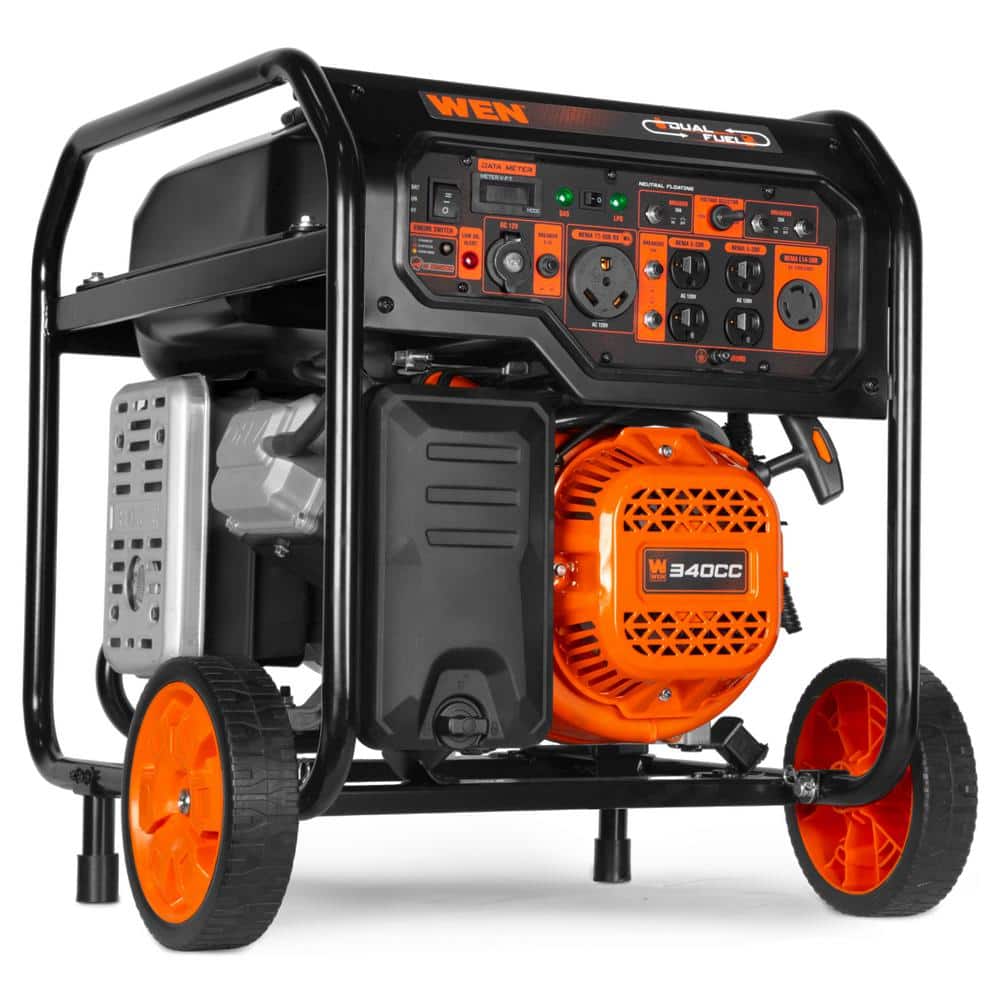
Is a portable good enough? For rare, short outages where you're home and willing to do the work — yes, with an interlock kit or small transfer switch installed by an electrician. Types compared.
What about solar and batteries? Genuinely zero-emission and silent, with daily value — but limited to hours or a day of essential loads, not a week of whole-home power. The strongest setup is both: a battery for short outages, a generator for long ones. Solar vs standby.
Do I need an inverter generator? Only if you're buying portable. Standby units already deliver under 5% THD, comparable to the grid.
Do I need whole-house surge protection? Yes — it's the highest-value $150–$400 in this entire subject. It protects your electronics through transfers, storms and grid restoration, and protects the generator's own controller.
Selling and moving
Does the generator convey with the house? A permanently installed standby generator is a fixture and conveys with the house. A portable is personal property and goes with you unless the contract says otherwise.
Can I take it with me? Technically, but removing it means disconnecting gas and electrical, repairing the service, and reinstalling at the new house. In practice it's rarely worth it.
Is the warranty transferable? Several manufacturers allow it, sometimes with a form and a small fee. If yours does, transfer it — it's a real benefit in the listing.
What should a buyer ask about an existing generator? Permits and inspection records, age and serial number, service history, whether it's whole-home or partial, the fuel arrangement including any leased tank, and a live demonstration. Ten minutes, and it's the only real test.
Still have a question? The five guides — Generator 101, installation and sizing, maintenance and care, brand comparisons — cover the subject end to end, and the blog goes deeper on individual topics.
Common starting pointsAd
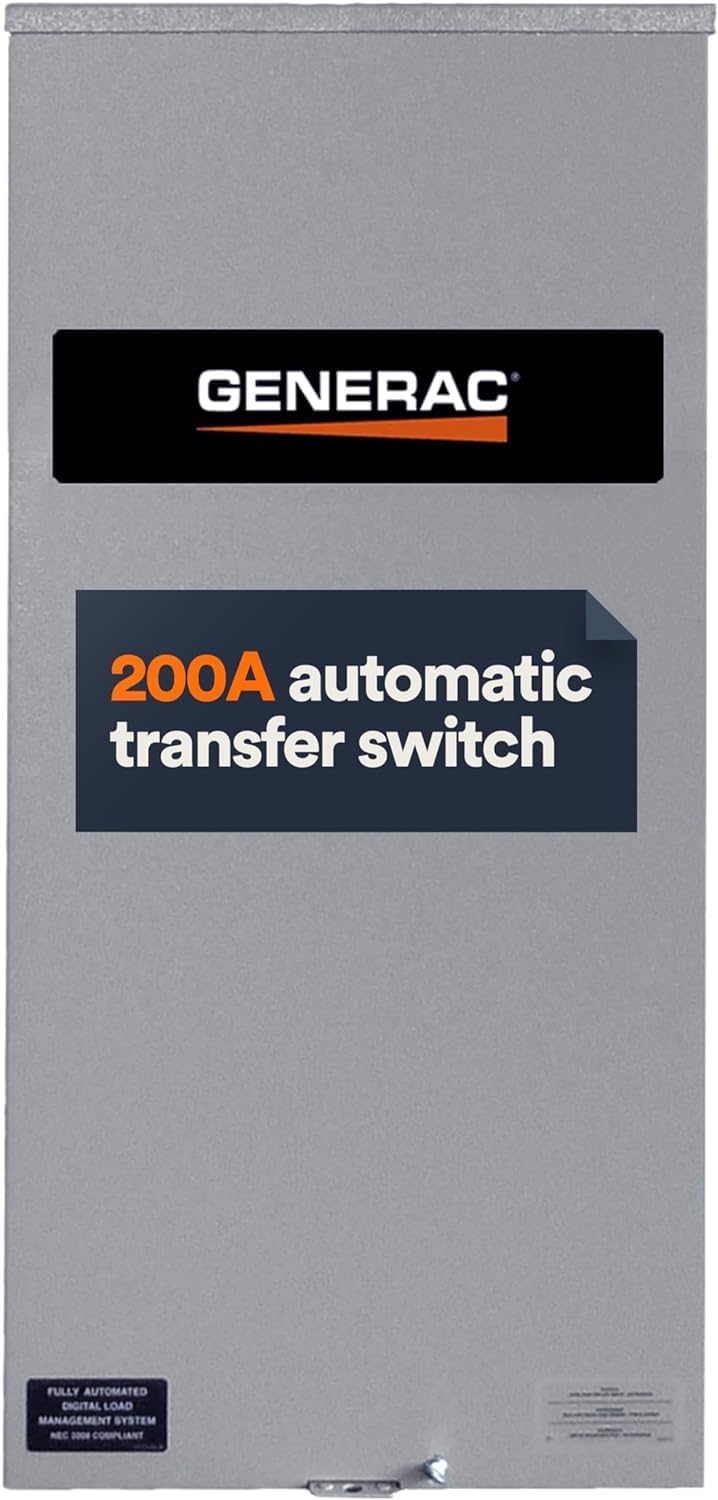
Whole-home units, a service-rated transfer switch and panel surge protection.
Paid links · As an Amazon Associate, GenDealers earns from qualifying purchases.