
I spent years on both sides of this transaction — quoting jobs, and later cleaning up other people’s. The pattern was consistent enough to be depressing: the installations that failed early almost never failed because of the generator. They failed because of who installed it.
Undersized gas lines. Transfer switches wired to the wrong side of a sub-panel. Units set on gravel that settled. No permit, so no inspection, so nobody caught any of it. And in every case a homeowner who had chosen the lowest of three numbers on three pieces of paper that all said “22 kW installed.”
So here is how to choose properly. It takes an afternoon and it’s the highest-leverage part of the whole purchase.
First: understand what a “dealer” is
Manufacturers certify dealers in tiers, and the tier tells you something real:
- Generac uses Select, Premier and Elite. Higher tiers require more factory training, more service capability, and more volume. Elite dealers generally stock parts and have dedicated service departments.
- Kohler designates authorized dealers and distributors, with a smaller, more curated network.
- Briggs & Stratton authorizes PowerProtect dealers, with the 10-year extended warranty available only through them.
- Cummins works through regional distributors, some of which are primarily commercial or truck-engine shops that also do residential.
Two things matter about tiers. First, warranty labor is generally performed by authorized dealers — an unauthorized installer means you’re hunting for someone else to honor a claim. Second, tier correlates with parts availability, which is the thing that determines whether a failure is a two-day or a three-week problem.
Verify the tier on the manufacturer’s own dealer locator, not the installer’s website. Our directory also lists authorization tier and customer ratings for authorized dealers by city.
The ten questions
1. “What’s your authorization tier, and how long have you held it?”
You want a straight answer and a dealer number. Longevity matters: a dealer authorized for eight years has survived the manufacturer’s performance reviews.
2. “How many technicians do you employ, and how many units do you have under service contract?”
This is the single most revealing question, and the one salespeople least expect. A dealer with four techs and 900 units under contract has a functioning service department. A dealer with “we use a subcontractor” has a sales operation. When a controller board fails during an ice storm, the difference is everything.
3. “Who does the gas work, and will you provide a gas load calculation?”
Some dealers have in-house licensed gas fitters; others subcontract. Either is fine — what isn’t fine is nobody calculating whether your meter and piping can deliver the cubic feet per hour the generator needs at full load. Ask for it in writing. A 22 kW unit can want 300+ cubic feet per hour; a house with an undersized meter or a long run of half-inch pipe will start the generator fine at the commissioning test and starve it under real load six months later. This is the defect I found most often, and it is entirely preventable.
4. “Are you pulling the permits, and which ones?”
Standby generator installs typically need an electrical permit and a gas permit, and sometimes zoning or setback review. The right answer is “we pull them and we meet the inspector.” A dealer who suggests skipping permits is telling you they don’t want an inspector looking at their work — and unpermitted work can void homeowner’s insurance and complicate a future home sale.
5. “What exactly is on the quote?”
Demand line items. A real quote lists:
- generator make, model and kW
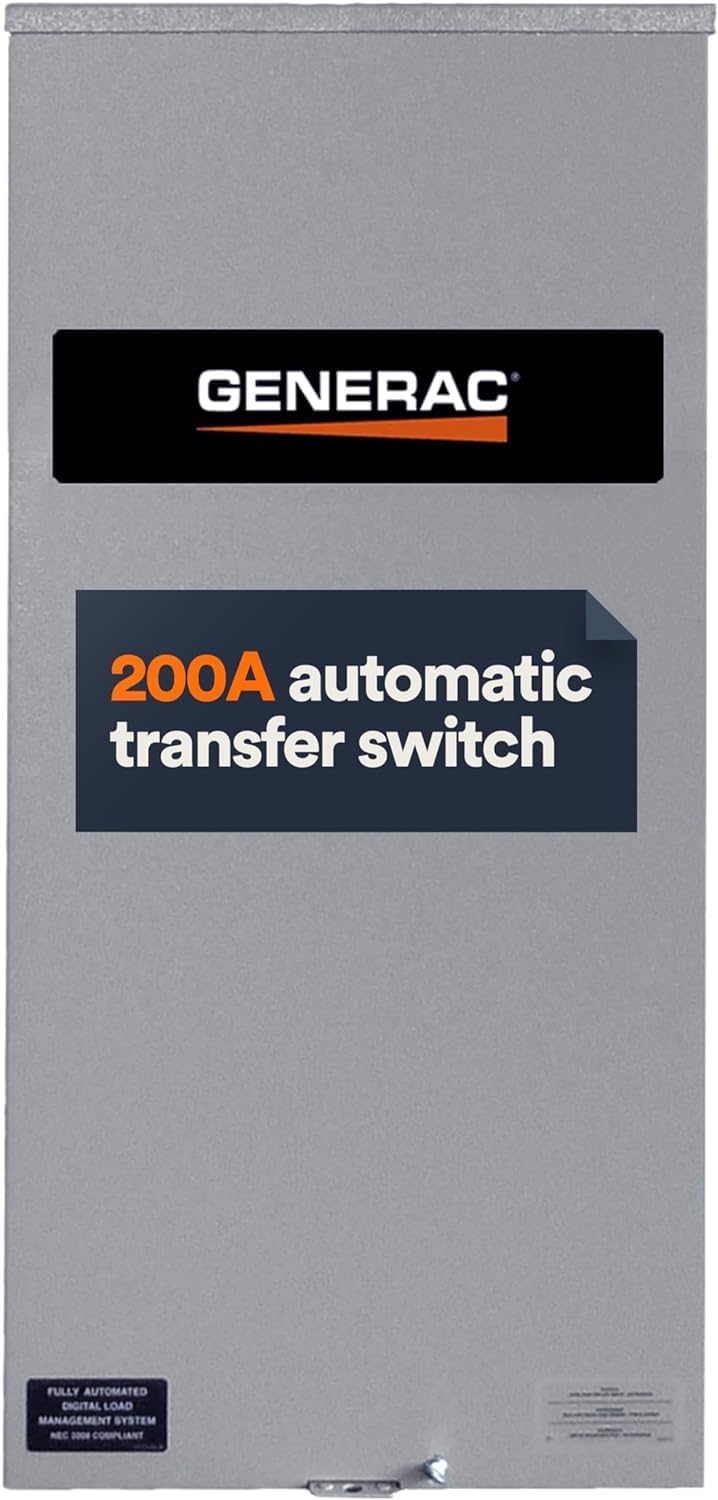
- transfer switch type (automatic/manual), amperage, and whether it’s service-entrance rated
- whether it’s whole-house or a managed sub-panel, and how many circuits
- gas line size, length, and who supplies the tank if propane
- electrical scope: conductors, conduit, disconnect, bonding
- pad type
- permits and inspection fees
- startup, commissioning and the first service
- load management modules, cold-weather kit, surge protection if included
6. “What does the warranty cover in years three, four and five?”
Every brand’s headline number hides structure. Generac’s five-year is parts, labor and travel for years one and two, then parts, then major components. Kohler’s five-year/2,000-hour covers parts, labor and travel the whole way. Briggs’ PowerProtect is seven years comprehensive. Get the labor-and-travel answer in writing, and price the extended option while you’re at it.
7. “What’s your average response time for a service call, and do you prioritize contract customers?”
Honest dealers will say that during a regional outage everyone waits, and that service-contract customers go first. That’s the correct answer. Ask what a maintenance agreement costs — typically $300–$500 a year — and what it includes.
8. “Can I see two recent installations nearby?”
A good dealer has customers who’ll vouch for them. Drive by. Look at the pad, the conduit runs, the gas piping, how the unit sits relative to windows and the meter. Sloppy exterior work reflects the wiring you can’t see.
9. “Who does the startup and commissioning, and what does it include?”
Commissioning should include verifying gas pressure under load, testing the transfer under real conditions (not just a simulated signal), setting the exercise schedule, registering the warranty, and walking you through the controller. If “startup” means someone pressed the button, that’s not commissioning.
10. “What happens if the load calculation is wrong?”
A dealer confident in their sizing will tell you how they’d remedy it. Vague answers here mean vague sizing.
Eight signs you’ve found a good one
- They do a load calculation in the house — looking at your panel, your appliances, your AC nameplate — not from the driveway.
- They ask about your priorities: whole house, or essentials plus AC?
- They explain load management as an option rather than upselling kilowatts.
- They mention permits and inspection before you do.
- Their quote is itemized and their exclusions are stated.
- They have a service department with a phone number that reaches a human.
- They’re licensed and insured, and hand you the certificates without being chased.
- They don’t pressure you. Real dealers have a backlog; the ones with time to pressure you should worry you.
Six red flags
- “No permit needed for this” — almost never true, and a tell about everything else.
- A single-line quote. “22kW installed, $11,900.” What transfer switch? What gas work? What’s excluded?
- Sizing by square footage alone, especially over the phone.
- A deposit over about 30–50% before any material is on site.
- No physical address, or an address that’s a mailbox.
- Pressure tactics — “this price is only good today” on a twenty-year installation.
How to compare quotes that look different
You will get three quotes and they will not be comparable as written. Normalize them:
- Put them in a spreadsheet by line item. Generator, switch, electrical, gas, pad, permits, startup, extras.
- Flag what’s missing. If quote B omits the pad and quote A includes it, add the pad to B.
- Note the transfer switch difference. A 200 A service-entrance whole-house switch and a 100 A 16-circuit managed switch are different products and different experiences. Cheaper quotes often quietly use the smaller one.
- Check the gas assumption. “Existing gas line adequate” with no calculation is a risk sitting in the quote.
- Compare warranty labor terms, not headline years.
- Then compare price. Usually the spread narrows to a few hundred dollars, and the remaining difference is service capability — which is worth paying for.
What good pricing looks like in 2026
For a straightforward natural-gas install with a 200-amp service-entrance automatic transfer switch:
| Size | Typical installed range |
|---|---|
| 10–14 kW | $8,000–$12,000 |
| 18 kW | $9,500–$13,500 |
| 22 kW | $10,000–$14,000 |
| 24–26 kW | $12,000–$18,000 |
Propane adds a tank. Long trenches, panel upgrades, difficult meter locations and rock all add. A quote far below these ranges is usually missing scope; a quote far above should be itemized until you understand why.
After you choose
- Register the warranty — or confirm the dealer did, in writing.
- Put the 25-hour break-in service on your calendar. Most manufacturers want that first oil change early, and it materially affects engine life.
- Sign the maintenance agreement if the dealer offers a decent one. The unit that gets serviced is the unit that starts.
- Set up monitoring notifications and actually leave them on.
- File the paperwork: permit sign-offs, load calculation, gas calculation, commissioning report, serial numbers. You’ll want these for warranty claims, insurance, and eventually for the buyer of your house.
The generator you buy matters less than the people who install and maintain it. Spend the afternoon on the dealer. It’s the cheapest reliability upgrade available.
Know the equipment before you get quotesAd
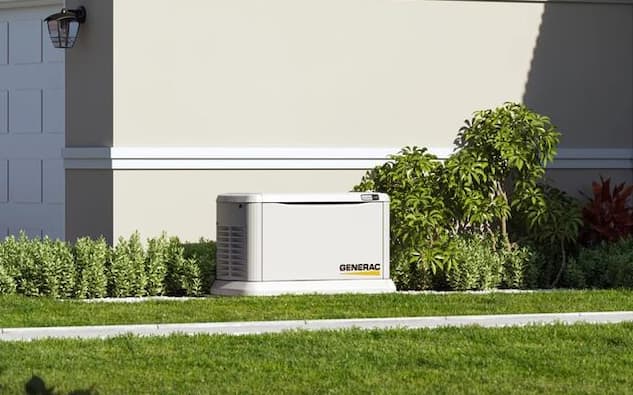
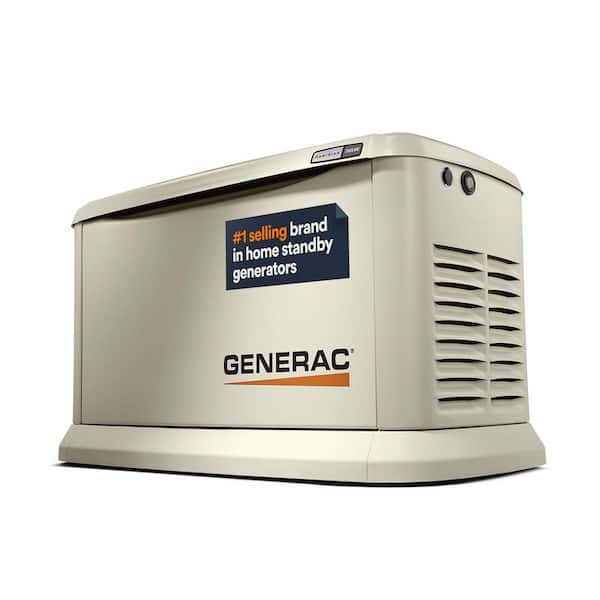
Current whole-home listings and the standard 200-amp transfer switch.
Paid links · As an Amazon Associate, GenDealers earns from qualifying purchases.