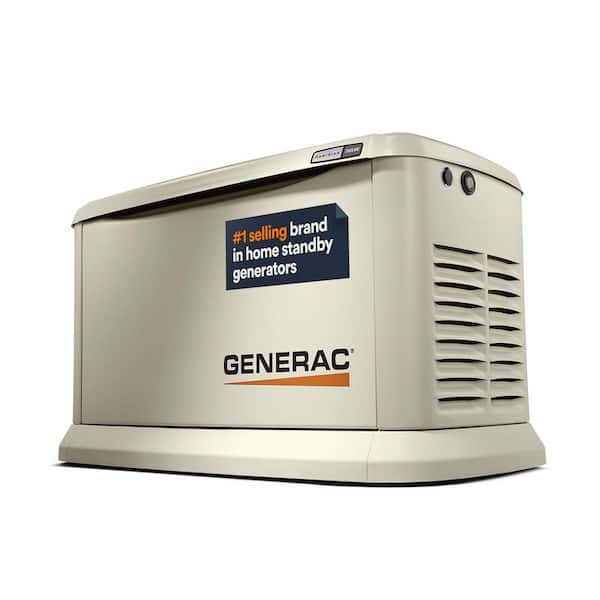

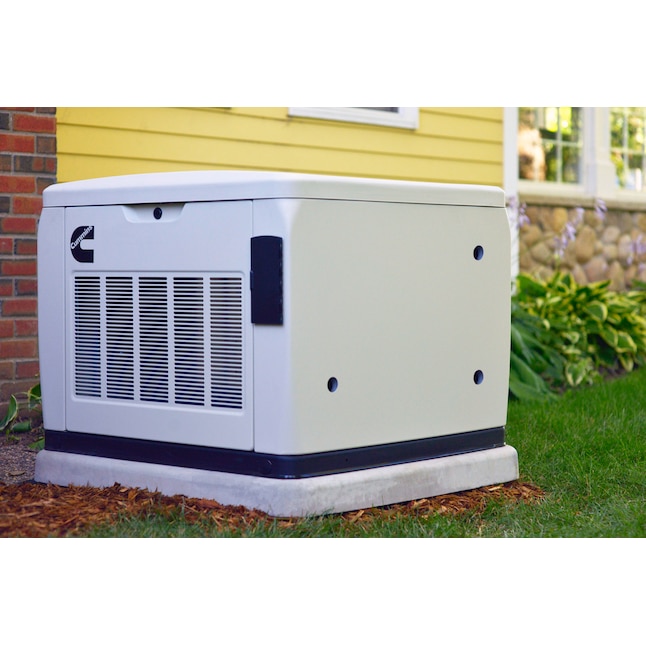
Short answer: yes. Permanently installing a standby generator means running a new gas line and rewiring your electrical service. Both are permitted work in essentially every jurisdiction in the United States.
The longer answer is worth reading, because the question behind the question is usually "can I skip it?" — and the honest cost of skipping it is much higher than the $300 you'd save.
Which permits, and why
Most standby installations need two, sometimes three or four:
1. Electrical permit — always. You are modifying the service: adding a transfer switch between the meter and the panel, running a feeder to the generator, and changing the grounding and bonding arrangement. This is not a "like-for-like replacement" exemption; it's new work on the service entrance.
2. Gas or plumbing permit — nearly always. A new gas line, a tap on the existing service, a regulator, and a sediment trap. The inspector verifies pipe sizing, materials, supports, leak testing and shutoff location. This is the permit most likely to catch a real defect.
3. Zoning or building permit — often. Many municipalities treat a generator as an accessory structure or mechanical equipment with setback requirements from property lines. Some require a site plan.
4. Noise, HOA, historic or floodplain review — sometimes. Dense municipalities may have noise ordinances specifying maximum dBA at the property line. Historic districts may restrict visible equipment. Floodplain jurisdictions require elevation above base flood elevation — see placement in flood-prone areas.
Portable generators need no permit to own or operate. But the moment you connect one to house wiring — an inlet box and a manual transfer switch — that's an electrical permit.
What it costs and how long it takes
| Item | Typical range |
|---|---|
| Electrical permit | $75–$400 |
| Gas / plumbing permit | $50–$250 |
| Zoning / building review | $0–$300 |
| Total | $150–$800 |
| Time to issue | Same day to 3 weeks |
| Inspection scheduling | 2–10 business days after request |
Large cities are slower and pricier; rural counties are often same-day and under $150. Your dealer should carry these in the quote as a line item — if the quote doesn't mention permits, ask why before you ask anything else.
Realistically, permitting adds one to three weeks to a project, mostly waiting for inspection slots. Plan around it rather than trying to route around it.
What the inspector actually checks
Having stood next to a lot of inspectors, here's the list in practice:
Clearances. This is the first thing they look at, and manufacturers' manuals (which follow NFPA 37) set it: typically 18 inches from the structure, 60 inches from any window, door, vent or other opening, 36 inches of service access in front and at the service side, and 60 inches overhead. Never under a deck or overhang.
Gas work. Pipe size versus the appliance's cubic-feet-per-hour demand at full load, materials and joints, a sediment trap, an accessible shutoff, proper supports, and a pressure/leak test. A 22 kW unit can want 300+ CFH — a half-inch line on a long run will not deliver it, and this is the most common serious defect I've found on unpermitted installs.
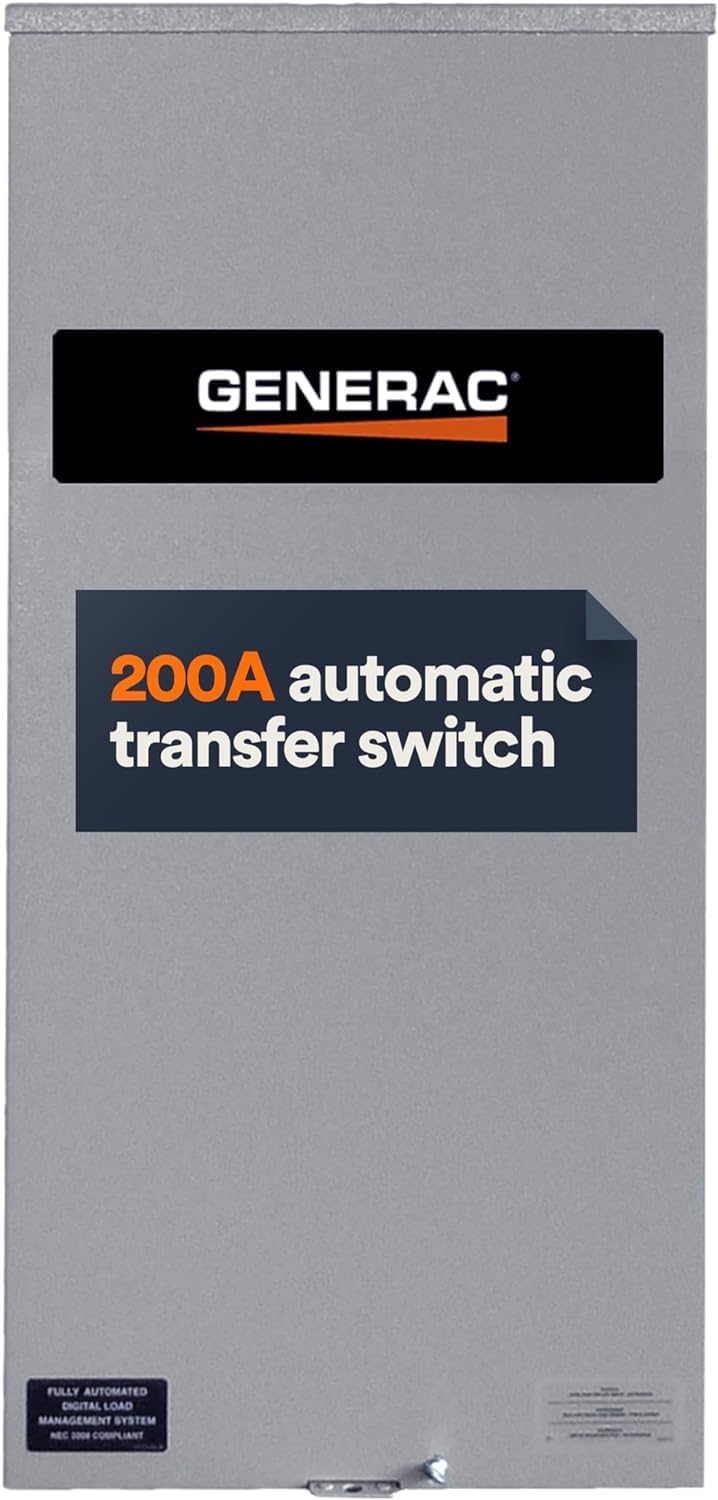
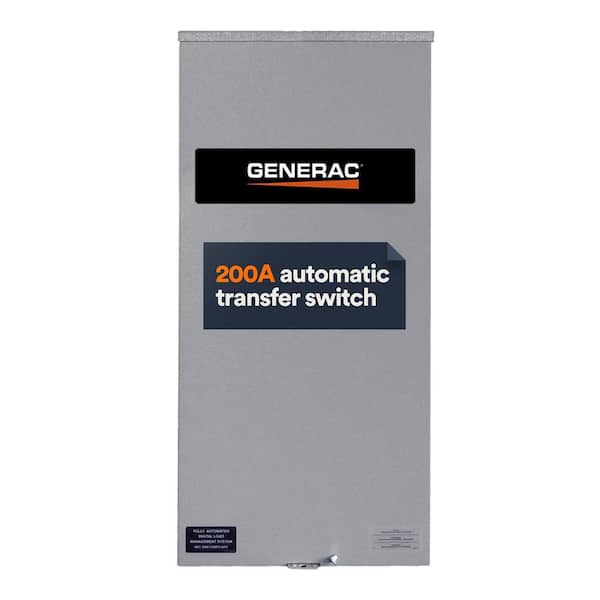
Transfer switch installation. Correct amperage for the service, service-entrance rating if it's the service disconnect, proper conductor sizing, and — critically — the neutral bonding configuration. Getting the neutral-ground bond wrong in a separately derived system is a classic error that produces nuisance GFCI trips and, in the worst case, energized equipment enclosures.
Grounding and bonding. Grounding electrode conductor, bonding jumpers, and whether the generator frame is properly bonded.
Disconnecting means. An accessible way to isolate the generator for service.
Working clearance at panels. Thirty inches wide, thirty-six inches deep in front of electrical equipment — the space an electrician needs to work safely.
Mounting. Level, on an approved pad or composite base, secured per manufacturer instructions, and elevated where flooding is a consideration.
What happens if you skip it
I want to be specific, because "you might get fined" undersells it.
Insurance. If a fire, carbon monoxide event or electrical injury traces back to unpermitted work, your insurer can deny the claim. Policies commonly exclude losses arising from work performed in violation of law or without required permits. A $300 permit against a house fire is not a close call.
Home sale. This is where it usually surfaces. Buyers' inspectors notice a generator; title and disclosure processes ask about improvements. Unpermitted work leads to retroactive permitting (which means opening up finished work for inspection), price concessions, or removal as a condition of sale. Retroactive permitting typically costs several times the original permit.
Utility refusal. Many gas utilities will not connect or will disconnect service to an uninspected appliance installation.
Warranty. Manufacturers can deny warranty claims for installations that don't follow their instructions — and the permitted inspection is your evidence that they were followed.
Municipal enforcement. Stop-work orders, daily fines, and orders to remove.
And the actual safety point. The inspection is the only independent verification that a stranger did the gas and electrical work correctly. You can't see a gas load calculation from the driveway. I've found undersized lines, missing sediment traps, and improper bonding on jobs where the homeowner was delighted with how fast and cheap it went.
City-by-city notes
Requirements vary more than people expect. Some examples of how much:
| Jurisdiction | Notable requirements |
|---|---|
| New York City | Electrical and plumbing permits, DOB filings; noise code limits; extensive review in many districts |
| Chicago | Licensed electrician required; city electrical code differs from NEC; conduit requirements |
| Los Angeles County | Zoning and setback review; seismic anchorage requirements |
| Houston | Electrical and gas permits; floodplain elevation review in much of the county |
| Miami-Dade | Wind-load requirements (high-velocity hurricane zone) and NOA-approved equipment |
| Denver | Elevation derating relevant to sizing; standard electrical/mechanical permits |
| Rural counties (many states) | Sometimes electrical only; occasionally none, but the gas fitter is still licensed |
Never assume your neighbor's experience applies to you. Call the building department, describe the project in one sentence — "installing a permanently mounted natural-gas standby generator with an automatic transfer switch" — and ask what they require. They will tell you plainly.
Who pulls the permit?
Your dealer should. In most jurisdictions, the licensed electrician and licensed gas fitter pull their own permits under their licenses, and a permit pulled by the licensed trade puts responsibility for code compliance on them, not you.
Be wary of a "homeowner permit." It's legal in many places, but it makes you the responsible party for code compliance, and it's a favorite way for unlicensed installers to shift liability. If a contractor asks you to pull the permit for work they're performing, that is a red flag about the contractor — see choosing a dealer.
The homeowner's checklist
- Confirm permits are itemized in the quote before signing.
- Confirm the electrician and gas fitter are licensed in your jurisdiction, and get certificate copies.
- Ask for the gas load calculation in writing.
- Confirm setbacks against your property lines and your HOA rules early — before the pad is poured.
- Be available for inspections, or confirm the dealer will meet the inspector.
- Keep the signed-off permits. File them with your manuals, the load calculation and the commissioning report. You will want that folder at warranty time, at insurance time, and at sale time.
The permit is the cheapest part of the job and the only part that independently protects you. Treat a contractor who wants to skip it as telling you something important about the rest of their work.
Whole-home generators and transfer switchesAd
Have the model in hand before you file — inspectors ask.
Paid links · As an Amazon Associate, GenDealers earns from qualifying purchases.