
The manufacturer says 2,000 hours. The salesperson says twenty years. Both are true and neither answers the question, because almost no residential generator dies of wear.
Let me show you the arithmetic that explains why.
The hours nobody accumulates
A standby generator's clock runs in two ways: the weekly exercise cycle, and actual outages.
- Exercise: 10 minutes a week × 52 weeks = 8.7 hours a year.
- Outages: the U.S. averaged about 11 hours without power per customer in 2024 — an unusually bad year driven by hurricanes; the prior decade averaged closer to 5.5 hours.
Call it 15–20 hours a year for a typical household, more in a storm-prone region. At 20 hours a year, an air-cooled unit rated for 2,000–3,000 hours would need a century to wear out.
| Unit type | Rated hours | Realistic calendar life | What actually ends it |
|---|---|---|---|
| Air-cooled residential | 2,000–3,000 | 20–30 years | Corrosion, electronics, rubber, deferred maintenance |
| Liquid-cooled residential | 10,000–30,000 | 30+ years | Same, plus cooling-system age |
| Commercial diesel | 20,000–50,000 | 30+ years | Genuine wear if run regularly |
So the honest answer is: your generator will die of age and neglect, not hours — unless you're in an area with genuinely extended outages, in which case hours start to matter.
What actually kills residential generators
In rough order of how often I saw it:
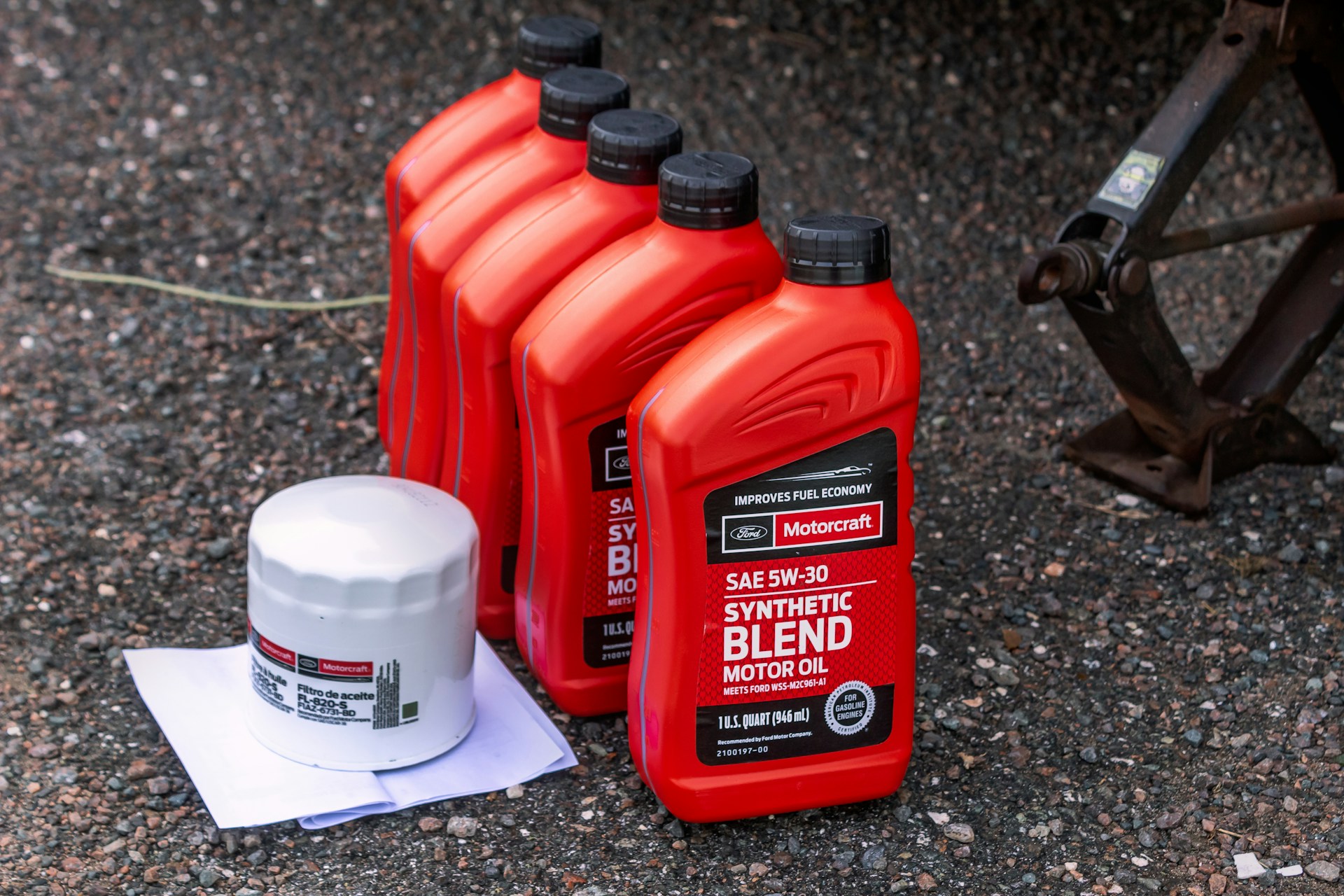
1. Deferred maintenance. Old oil holds acids and metal. Skipped valve adjustments burn valves. Dirty air filters cause rich running and carbon. None of it fails today; all of it compounds. A unit that's had four oil changes in fifteen years is worn out at fifteen.
2. Battery neglect — with a twist. Everyone knows a dead battery means no start. Less known: a failing battery makes the charging system work hard and, in some designs, can leave the controller in a low-voltage state that causes odd faults. Replacing batteries every three to four years protects more than starting.
3. Corrosion. The enclosure, the frame, the fasteners, the exhaust. Coastal environments (see coastal maintenance) can take a decade off. Road salt in northern climates does the same more slowly.
4. Rodents. Warm, dry, sheltered box with chewable wiring. I have replaced more wiring harnesses because of mice than because of heat.
5. Blocked airflow. Mulch piled against the intake, a shrub grown into the clearance envelope, a "decorative" screen installed too close. Air-cooled engines run hot and shorten their lives when they can't breathe. See preventing overheating.
6. Wet stacking from chronic light load. Weekly no-load exercise never gets the engine fully hot. Over many years, carbon accumulates. This is an argument for a periodic loaded exercise if your controller supports it.
7. Electronics and age. Controller boards, sensors and relays have a life independent of engine hours. Twenty-year-old electronics in an outdoor enclosure eventually fail, and at that age parts availability becomes the real question.
8. Surge damage. Lightning season kills controller boards. A whole-house surge protective device is cheap insurance.
Lifespan by brand — and why the differences are small
People want a brand ranking here. The honest version:
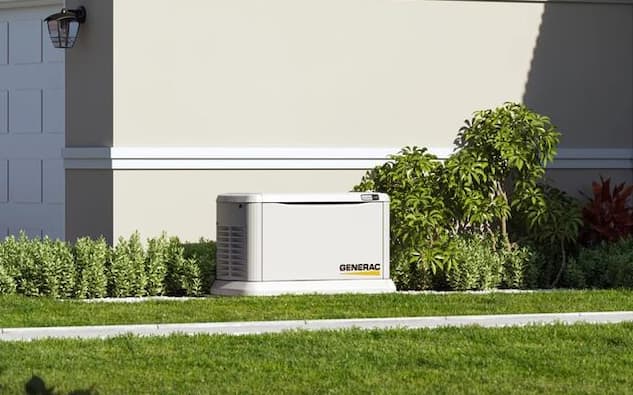
- All the major brands (Generac, Kohler, Briggs & Stratton, Cummins, Honeywell) use similar air-cooled engine architecture at similar speeds, and all will run 20+ years with proper maintenance.
- Enclosure material creates the clearest difference in harsh environments: aluminum (Generac, Kohler, Cummins, Honeywell) resists coastal corrosion better than coated steel.
- Kohler's assembly quality is the best I've worked on, which shows up as fewer nuisance faults rather than dramatically longer life.
- Parts availability at year 15+ may matter more than build quality. This favors Generac, simply because there are so many of them that parts and knowledge persist.
The maintenance difference between two owners is larger than the manufacturing difference between two brands. I've seen a well-kept Champion outlast a neglected Kohler.
Warning signs your generator is near the end
Hard starting with a known-good battery. If you've replaced the battery and it still cranks slowly or takes several attempts, you're looking at compression loss, valve issues or a starter on the way out.
Oil consumption and blue smoke. Burning oil means worn rings or valve guides. On an air-cooled residential engine this is usually the beginning of the end economically, if not mechanically.
Output problems. Voltage that sags under load, lights that flicker, electronics misbehaving. Could be the voltage regulator (repairable) or the alternator (expensive).
Repeated controller faults that clear and return, especially on a unit past fifteen years. Board-level electronics age.
Rust through the enclosure, especially at the base. Often accompanies internal corrosion you can't see.
Parts becoming hard to get. When your dealer says "that's a long-lead item," you're on borrowed time.
Repair cost approaching one-third of replacement. My rule: on a unit past fifteen years, a repair quote above about a third of a new installed system is usually the moment to replace, because the next failure is coming.
Getting to twenty-five years
There's no secret. There are five habits.
- The break-in service at 25 hours or year one. More engine life than any other single act.
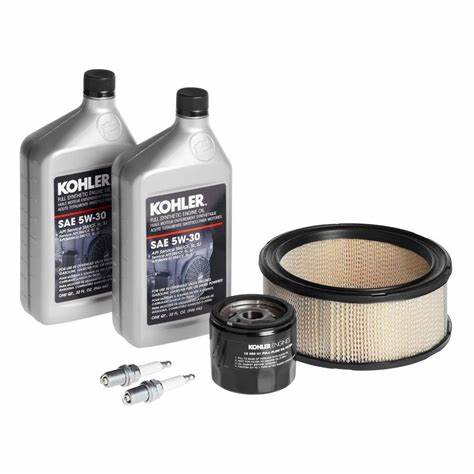
- Annual service, on schedule. Oil, filters, plugs, battery test, inspection. Generac's Schedule A is every 200 hours or 2 years; annually is better practice for a machine you depend on.
- Battery every three to four years, on a calendar, before it fails.
- Keep the clearance envelope clear — vegetation, mulch, snow, storage.
- Surge protection at the panel, and monitoring turned on so faults get seen.
Do those and a 20-year life is the floor, not the ceiling.
When it's time: replacement notes
- The pad, gas line and often the transfer switch can usually be reused, which makes replacement meaningfully cheaper than the original install — sometimes $2,000–$4,000 less.
- Check the transfer switch's age too. If it's twenty-five years old, replace it with the generator; contactors wear.
- Sizing may have changed. Homes gain loads over two decades — an EV charger, a heat pump, an addition. Redo the load calculation rather than matching the old nameplate.
- Expect better efficiency and much better monitoring. A 2026 unit with cellular monitoring will tell you about problems the old one hid.
Keep the records
One last practical point. A folder with service dates, hour readings, battery dates, permits and the commissioning report does three things: supports warranty claims, helps techs diagnose faster, and — when you sell — turns "there's an old generator out back" into a documented, maintained asset. See property value.
Your generator will almost certainly outlive its warranty by fifteen years or more. Whether it outlives its mortgage depends on about four hours of attention a year.
Generators and the kits that keep them runningAd
A current whole-home unit and the maintenance and cold-weather parts that extend its life.
Paid links · As an Amazon Associate, GenDealers earns from qualifying purchases.