
Every February I used to run the same call: a homeowner with a four-year-old generator, an ice storm, and a unit that cranked slowly twice and gave up. The generator was fine. The battery was four years old and it was 8°F.
Cold doesn't break generators. It exposes the maintenance you didn't do. Here's what actually happens in the cold and how to get ahead of it.
The three cold-weather failure modes
1. The battery (most common by a wide margin)
Lead-acid chemistry slows as temperature falls. A battery delivers roughly:
| Temperature | Available cranking capacity |
|---|---|
| 80°F | 100% |
| 32°F | ~65% |
| 0°F | ~50% |
| −20°F | ~35% |
Now stack the second problem: cold oil is thicker, so the engine is harder to turn at exactly the moment the battery is weakest. A battery with plenty of margin in September has none in January.
Add age. A three-year-old battery at 0°F may have a third of the cranking power it had new at room temperature. That's the whole failure.
The fix, in order of value:
- Replace the battery every three to four years, and do it in autumn.
- Add a battery warmer pad ($60–$120, plus installation if you don't do it yourself). It's a thermostatically controlled heating pad under or around the battery that keeps it in a usable temperature range. On 9–22 kW air-cooled units this is a standard manufacturer accessory.
- Keep terminals clean and tight. Resistance you can't see costs cranking amps you need.
- Load-test in the fall rather than trusting a voltage reading.
2. Cold oil
Oil thickens as it cools. Thick oil means more cranking resistance, slower oil circulation at start, and more wear in the first seconds — which, for a standby generator, is most of the running it ever does.
The fix:
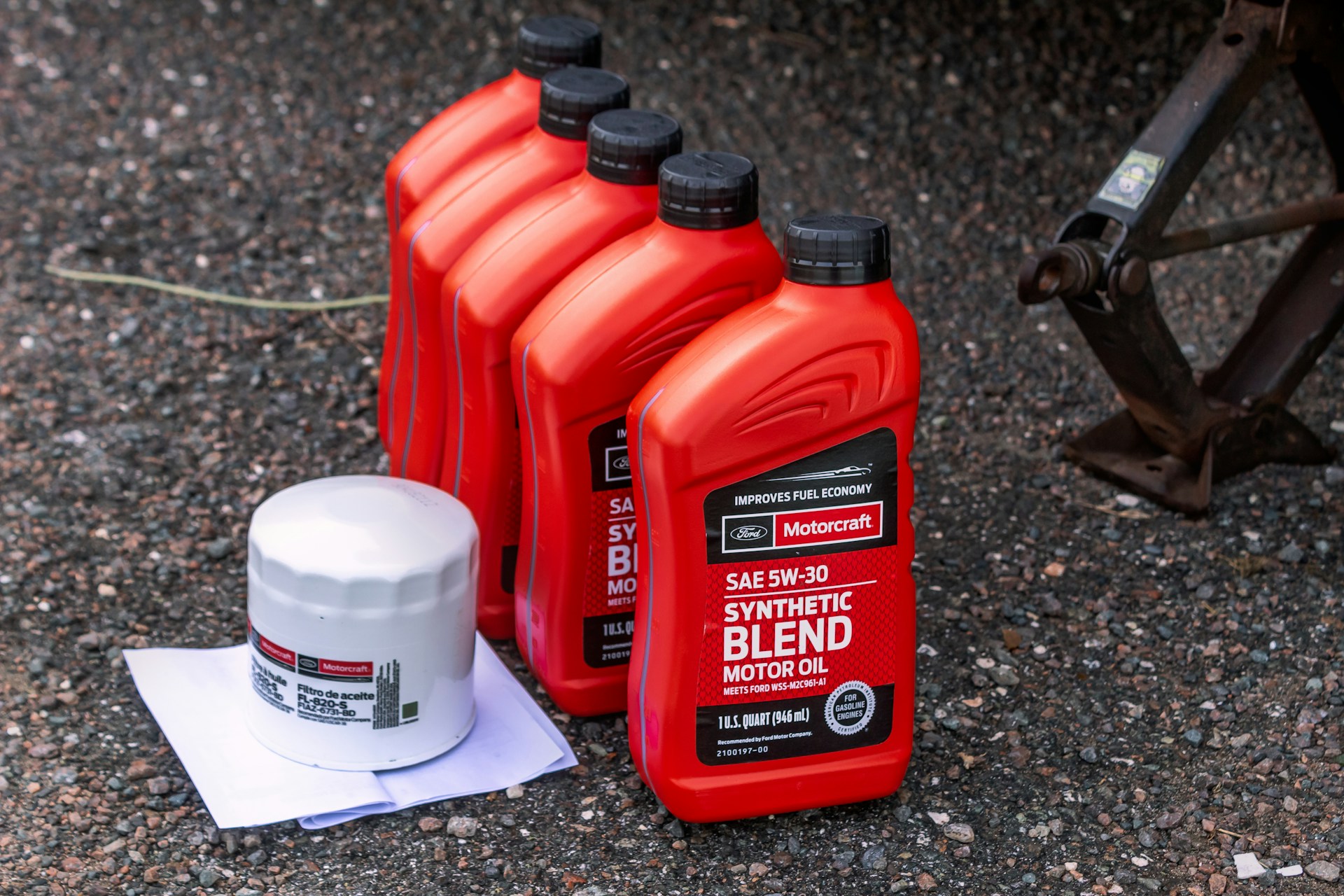
- Use the specified oil. Generac recommends 5W-30 full synthetic for its air-cooled units across the temperature range (after break-in). Synthetic's advantage is exactly this: it stays fluid when cold.
- Add an oil heater kit ($120–$200) in genuinely cold climates. It's a pad that keeps crankcase oil warm so the engine turns freely and lubricates immediately.
- Do the oil change before winter, not after. Old oil is dirtier and thicker.
3. Propane vaporization
This one surprises people, because it isn't about the generator at all.
Propane must vaporize from liquid to gas to be burned. That vaporization draws heat from the liquid and the tank, and the tank's ability to supply vapor depends on temperature and on the wetted surface area of liquid inside it. As it gets colder — and as the tank empties — vaporization rate falls.
A 22 kW generator under load draws a lot of vapor. On a mild day with a full tank, no problem. At −10°F with a tank at 20%, the same tank may not keep up: pressure sags, the generator runs rough, loses power, or shuts down on low fuel pressure.
The fix:
- Keep tanks above 30% in winter, and top up before forecast storms — everyone calls their supplier after the forecast.
- Size the tank for cold-weather vaporization, not just for gallons. Your propane supplier can calculate required vaporization rate for your generator's BTU demand at your design temperature. Ask them explicitly; a bigger tank or a second tank may be needed.
- Above-ground tanks vaporize worse in extreme cold than buried ones, which benefit from ground temperature.
Natural gas customers can skip this section — pipeline supply doesn't have this problem.
The autumn checklist
Do this once, in October, and winter takes care of itself.
1. Test or replace the battery. If it's three years old or more, just replace it. If newer, have it load-tested (not voltage-checked).
2. Change the oil with the manufacturer's specified synthetic if it's due within the next few months. Do it now rather than in January.
3. Install or verify the cold-weather kit. Battery warmer and oil heater. Confirm they're actually powered — I've found kits installed but never wired.
4. Check the air filter. A restricted filter makes cold starting harder.
5. Inspect and clear the clearance envelope. Cut back vegetation now so you're not doing it in a drift.
6. Look at what's above the unit. Roof-shed is a real hazard — a sheet of ice off a metal roof can destroy an enclosure. If the unit sits below a roofline that sheds, discuss a snow guard or relocation.
7. Verify the exercise cycle is set and running. Weekly exercise matters more in winter, not less.
8. Propane: top the tank and confirm your supplier's winter delivery schedule.
9. Test an actual transfer. Either through the controller's test function or by having the dealer do it during the annual service.
10. Check monitoring. Make sure alerts are on and going to a phone you carry. A fault in December that you notice in March is a wasted winter.
Operating in the cold
Let it warm before heavy load. Most controllers handle this automatically with a warm-up delay before transfer. Don't defeat it.
Expect slightly reduced output in extreme cold from air density and fuel-supply effects — usually minor on natural gas, potentially significant on marginal propane.
Keep the exhaust clear of snow. Drifting can block an exhaust outlet, and blocked exhaust is both a performance and a carbon monoxide problem. After heavy snow, walk out and look.
Clear drifts from the intake side. Air-cooled means it needs airflow even at 10°F.
Don't tarp a running generator, and don't build a solid enclosure around it "for winter." I've seen homeowners wrap units in plastic and cook them. Manufacturer covers are for storage of portable units, not for standby units in service.
Portable generators in winter
Different machine, different problems:
- Fuel stabilizer in stored gasoline, or drain it. Ethanol-blended fuel goes bad in months and phase-separates.
- Cold-start the engine periodically through the off-season — monthly is a good habit.
- Store it somewhere you can actually get it out of in a storm. A generator behind the snowblower behind the patio furniture is not a plan.
- Snow and CO. The 20-foot rule from the CPSC doesn't relax in a blizzard — running a portable in an attached garage during a winter storm is a recurring cause of fatal poisonings.
- Keep the exhaust above the snow line and check it as accumulation builds.
What winter storms actually demand
Winter outages tend to run longer than summer ones — ice damage is slower to repair, and crews work in worse conditions. That has three implications:
- Runtime matters more than peak capacity. A properly fueled 14 kW unit that runs for four days beats a 26 kW unit that runs out of propane on day two.
- Heating load is the priority. If you have gas heat, the blower is a small load and you're in good shape. Electric resistance heat or a heat pump in deep cold is a large, continuous load — size accordingly, and consider whether you'll heat the whole house or a zone.
- Pipes. The reason a generator earns its price in winter isn't comfort, it's preventing a burst-pipe insurance claim that costs more than the generator.
Do the October checklist, put the battery on a replacement schedule, and add the two heater kits if you're anywhere cold. That's roughly $250 of accessories and an afternoon, against the exact failure the whole system exists to prevent.
Winter-prep gearAd
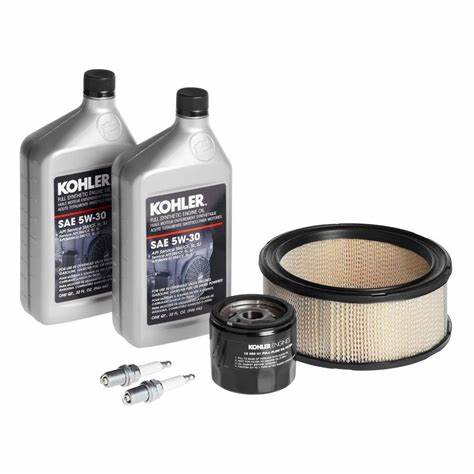
Oil heater, portable storage cover, a full service kit, and a whole-home unit for those still deciding.
Paid links · As an Amazon Associate, GenDealers earns from qualifying purchases.