
Search this question and you'll get the same sentence from a dozen sites: a whole-house generator increases your home's value by 3–5%.
I've watched that number get repeated for fifteen years. It's worth being direct about where it comes from: it originates in industry marketing material, not in appraisal research. No large-scale paired-sales study establishes a national percentage for standby generators, and any figure that doesn't distinguish between a house in Louisiana and a house in Portland is telling you very little.
That doesn't mean generators are worthless at resale. It means the honest answer is more interesting and more useful than the marketing one.
How an appraiser actually treats it
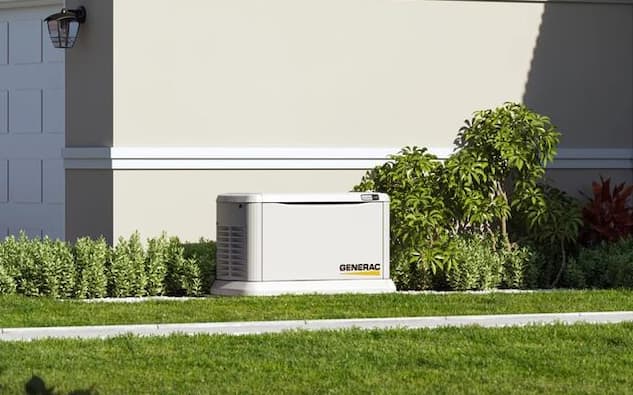
A permanently installed standby generator is a fixture — bolted to a pad, hard-piped to fuel, hard-wired to the panel. It conveys with the house. That's a meaningful distinction from a portable, which is personal property and goes with you unless the contract says otherwise.
Because it's a fixture, an appraiser can consider it. How they value it comes down to two approaches:
Paired-sales analysis. The appraiser looks for comparable sales — similar homes, some with generators, some without — and measures the price difference. This is the rigorous method, and it's also the one that reveals the truth: if local buyers don't pay a premium for generators, paired sales won't show one, no matter what the equipment cost.
Depreciated cost contribution. Where paired data is thin, the appraiser may consider what the system cost, less depreciation for age and remaining life. A five-year-old $13,000 system might be given a contributory value well under its installed cost — improvements rarely return 100%.
Neither method produces "3–5% of the house." Both produce a dollar figure grounded in what your specific market does.
The practical implication: in a market where generators are common and expected, appraisers have comparable data and the value shows up. In a market where they're rare, there's nothing to compare against and the contribution is uncertain — sometimes handled as a small adjustment, sometimes noted without a dollar figure at all.
Why region dominates the answer
The 2024 data makes the point better than any argument: U.S. customers averaged about 11 hours without power — roughly double the previous decade — and hurricanes accounted for about 80% of those hours. South Carolina averaged 53 hours. That is not evenly distributed, and neither is buyer demand for backup power.
| Market type | Typical buyer response | Realistic effect |
|---|---|---|
| Gulf Coast, hurricane-exposed Southeast | Generators are common, sometimes expected | Strongest — real premium, real paired-sales data |
| Ice-storm belt (Northeast, Upper Midwest, Texas post-2021) | Growing expectation, especially above a price point | Meaningful |
| Rural, well-water and septic properties | Near-necessity — no power means no water | Strong; some buyers treat it as required |
| High-end suburban | Expected amenity at higher price points | Moderate — its absence is noticed more than its presence is paid for |
| Stable-grid metro, city utilities | Nice-to-have, rarely decisive | Modest; mostly a marketing advantage |
There's a useful asymmetry hidden in that last row. In markets where generators are the norm, not having one is a deduction more than having one is a premium. Buyers touring five comparable homes in a hurricane market notice the one that can't run its AC after a storm.
The benefit that's better documented than price
In my experience — and this is consistently what agents in outage-prone markets report — the more reliable resale benefit isn't a bigger number on the appraisal. It's:
Fewer days on market. A generator is a concrete, easily understood differentiator in a listing full of similar houses. In storm-prone areas it's a headline feature.
Better negotiating position. A buyer who wants the generator has one less reason to press on price, and one fewer thing to put on an inspection repair list.
A smaller buyer objection list. Especially for rural properties, buyers who understand that a well pump means no power equals no water often screen for backup power.
Insurance conversations. Some insurers view backup power favorably in the context of freeze and water-damage claims. Worth asking your carrier; it varies and it's rarely dramatic, but it's occasionally a real credit.
None of that shows up as a percentage. All of it shows up in how a sale goes.
What raises the contributory value
Two identical-capacity generators can contribute very differently. What separates them:
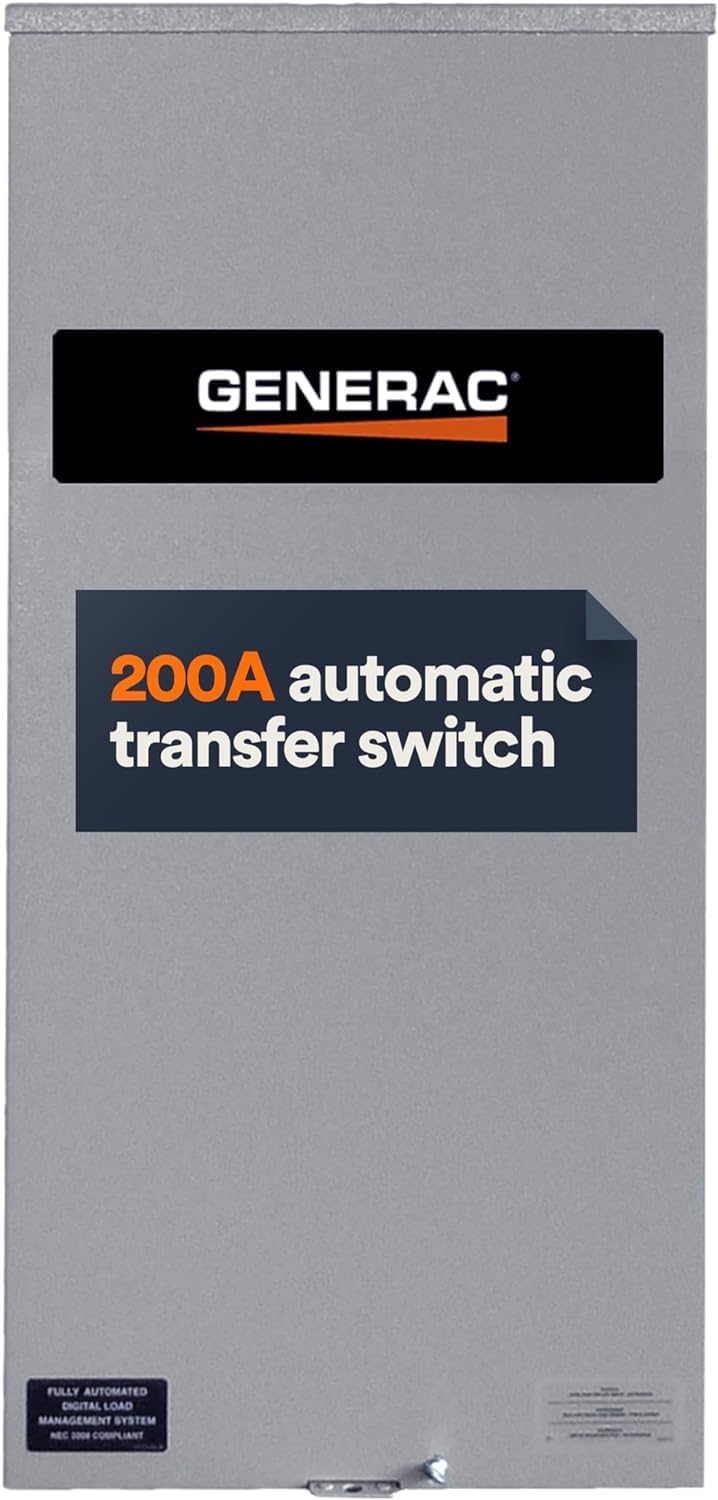
Whole-home coverage. A service-rated automatic transfer switch that backs up the entire panel is a much stronger selling point than a 10-circuit emergency subpanel. Buyers understand "the whole house runs" instantly. See transfer switches explained.
Age and remaining life. A three-year-old unit contributes far more than a fourteen-year-old one. Standby generators commonly last 15–25 years with maintenance — see how long they last.
Permits and inspections on file. An unpermitted installation is a liability, not an asset. It can surface in inspection, delay closing, and in some jurisdictions require remediation. This matters more than anything else on this list.
Documented maintenance. A binder of annual service records tells a buyer the machine works. No records tells them to assume it doesn't.
Transferable warranty. Several manufacturers allow warranty transfer to a subsequent owner, sometimes with a form and a small fee. If yours does, do it — it's a genuine, nameable benefit in the listing.
Natural gas over propane. Buyers understand that natural gas never runs out and costs less to run. A propane installation with a leased tank also drags a supplier contract into the transaction.
Correct sizing and clean installation. A tidy pad, proper clearances, neat conduit. Inspectors and buyers both read workmanship.
What reduces it
- No permits. The single biggest problem. It converts an improvement into a disclosure item.
- Undersized system. A 7 kW unit on a 3,500 sq ft house invites the question of what it actually runs.
- Visible neglect. Corrosion, a dead battery, a controller showing a fault at showing time.
- Poor placement. A unit crowding a neighbor's window or blocking a walkway is a negotiation point, not a feature.
- A leased propane tank with an unfavorable contract the buyer inherits.
- An obsolete unit near end of life, which reads to buyers as a future expense.
If you're selling: a short checklist
- Gather the paperwork. Permits, inspection sign-offs, purchase and installation invoices, manuals.
- Compile service records into one document — dates, work performed, who did it.
- Service it before listing. A generator that starts and runs cleanly during a showing sells itself.
- Transfer the warranty if the manufacturer allows it, and say so in the listing.
- Get the specifics into the listing: brand, kilowatts, whether it's whole-home, fuel type, year installed, and that it's permitted.
- Tell your appraiser it exists and hand them the documentation. Appraisers can only consider what they know about, and a generator in a side yard is easy to miss.
- Ask your agent how local buyers respond. They know your market better than any national statistic.
If you're buying a home with one
Ask for:
- Permits and inspection records. If they don't exist, get an electrician to evaluate it before closing.
- Age, model and serial number. Look up remaining warranty.
- Service history. No records means assume none was done.
- Whether it's whole-home or partial, and which circuits are covered.
- Fuel arrangement — natural gas, owned propane tank, or leased tank with a contract you'd inherit.
- A demonstration. Ask the seller to run it. It takes ten minutes and it's the only real test.
The honest bottom line
In outage-prone markets — hurricane coasts, ice-storm regions, rural well-water properties — a permitted, well-maintained, whole-home generator is a genuine asset that helps a house sell and can show up in appraised value where paired-sales data supports it.
In stable-grid metro markets, it's a nice feature that will not return what you spent.
Everywhere, expect a partial return. Improvements rarely return 100% of cost, and a generator is no exception.
Which is why I'd give the same advice I've given for years: buy a generator because you want power during outages, not as an investment. The value is in the freezer that doesn't thaw, the pipes that don't freeze, the sump pump that keeps running and the medical equipment that stays on. If it also helps at resale — and in the right market it will — treat that as a bonus rather than the justification.
The full financial picture of ownership is in the real cost of a whole-house generator.
Whole-home systemsAd
Units and a service-rated transfer switch — the whole-home configuration buyers recognize.
Paid links · As an Amazon Associate, GenDealers earns from qualifying purchases.