
This is one of the few decisions in backup power where the answer is usually obvious once you ask the questions in the right order.
The decision, in order
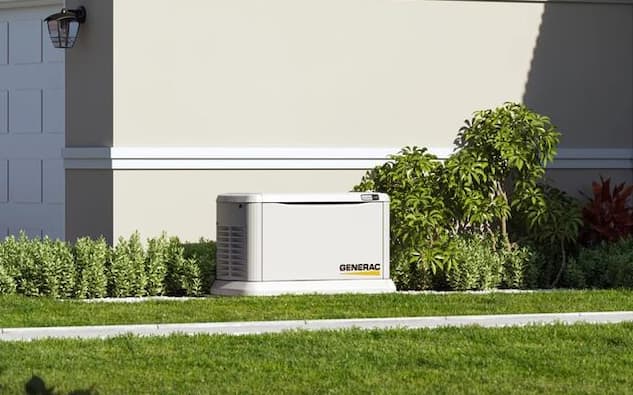
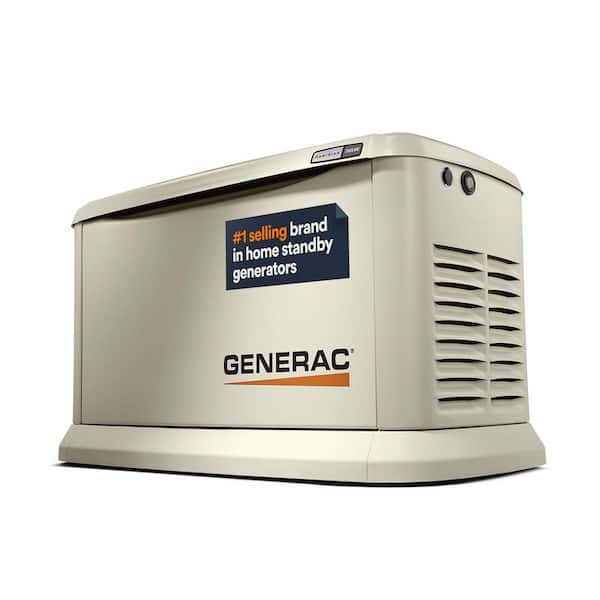
1. Is there a natural gas main serving the property? If yes → natural gas, unless something below overrides it. Stop here for most homes.
2. If no gas, is the load residential-scale (under about 30 kW)? If yes → propane.
3. Is the load large, the runtime long, and the site tolerant of noise, fuel storage and maintenance? Then diesel is worth evaluating — large estates, farms, commercial.
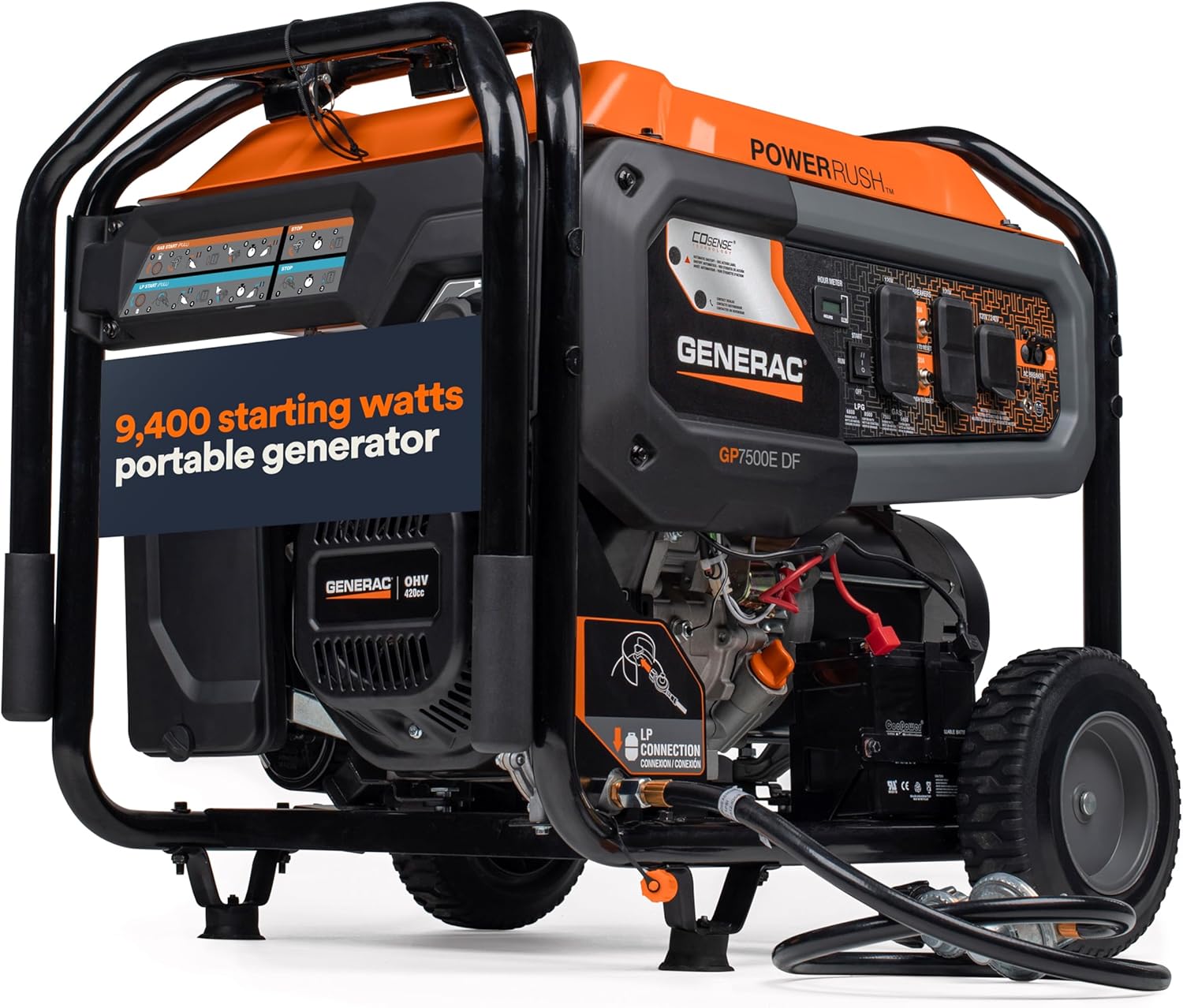
4. Portable only? Gasoline for cheap and available, propane if you want storable fuel and cleaner running, dual-fuel if you want both.
Now the reasoning.
Natural gas
The case for it is simple: it doesn't run out and it costs the least to run.
During Hurricane Ida, Winter Storm Uri and every multi-day event I've been through with customers, the natural-gas homes just kept running. No tank to watch, no supplier to call, no rationing decisions on day three. Underground gas distribution generally survives the weather that takes down overhead power lines — which is precisely the correlation you want.
Advantages
- Unlimited supply via the utility main. This is the whole argument.
- Lowest running cost — typically 3–5× cheaper per hour than propane.
- No tank: no purchase, no lease, no rental fee, no yard space, no NFPA 58 setbacks, no aesthetic objection.
- No refueling during an outage, ever.
- Clean burning, with the lowest emissions of the combustion fuels.
- No fuel degradation — nothing sits in storage getting old.
Disadvantages
- Only available where there's a main. Roughly half of U.S. homes have natural gas service.
- Slightly lower power output than the same engine on propane, typically 5–10%.
- Existing pipe may need upsizing. A 22 kW generator is a substantial gas load and often forces a line upgrade — $800–$3,000, and one of the most common quote surprises. See the real cost.
- Rare failure mode: earthquakes and certain catastrophic events can interrupt gas service. Uncommon, but real in seismic regions.
Best for: essentially any home with a gas main. Nine times in ten this is the answer.
Propane (LP)
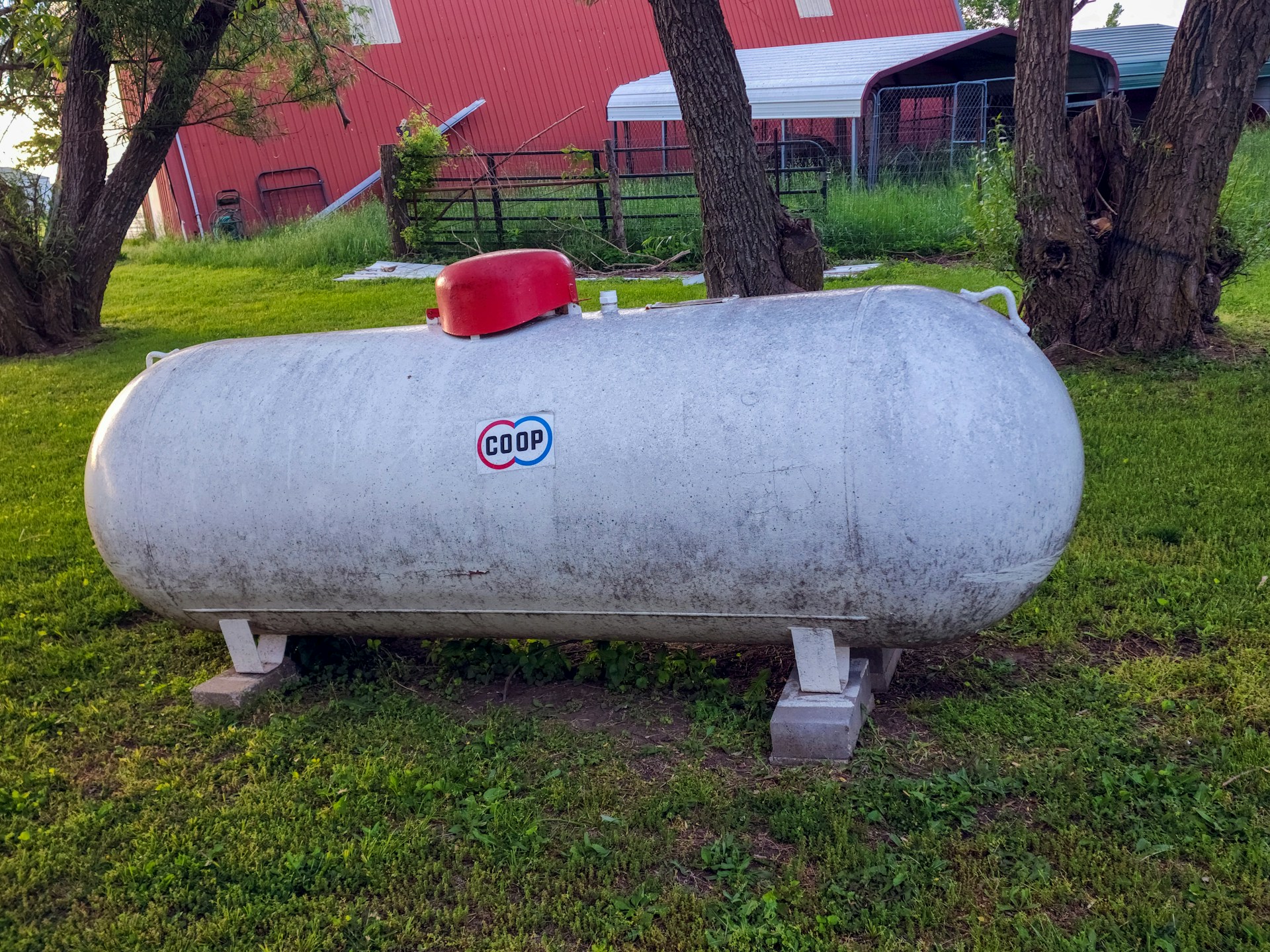
Propane is what you use when there's no gas main — and it's genuinely good at that job.
Advantages
- Available anywhere, no utility required.
- Indefinite storage. Propane does not degrade. A tank filled in 2019 is fine today, which is exactly the property you want in fuel that sits unused for years.
- Slightly more power than natural gas from the same engine — manufacturers publish an LP rating a few percent above the NG rating.
- Clean burning, close to natural gas.
- You control the supply. A full 500-gallon tank is days of runtime under your own roof, not dependent on a utility.
Disadvantages
- Running cost. This is the big one — typically 3–5× natural gas per hour. Over fifteen years the difference is thousands of dollars.
- Finite. You will eventually run out, and during a regional event, delivery trucks are booked and roads may be impassable.
- Tank cost or lease. $1,000–$3,500 to buy a 250–500 gallon tank installed; leasing is cheaper upfront but generally ties you to that supplier's pricing.
- Siting rules. NFPA 58 setbacks from buildings, property lines and ignition sources constrain where the tank can go.
- Cold-weather vaporization. Propane must vaporize to be burned, and vaporization rate falls with temperature and with how much liquid remains in the tank. A small or nearly empty tank in deep cold may not deliver enough vapor for a large generator. Ask your supplier to confirm vaporization capacity at your design temperature — this is a real failure mode in northern installations.
Sizing your tank. A rough planning figure for a 20–22 kW unit at moderate load is 2–3 gallons per hour. Tanks are filled to about 80% for expansion.
| Tank size | Usable propane (~80%) | Approx. runtime at 2.5 gal/hr |
|---|---|---|
| 120 gal ("420 lb") | ~96 gal | ~38 hours |
| 250 gal | ~200 gal | ~80 hours (3+ days) |
| 500 gal | ~400 gal | ~160 hours (6–7 days) |
| 1,000 gal | ~800 gal | ~320 hours (13 days) |
I steer customers toward 500 gallons for whole-home standby. It buys close to a week at meaningful load, which covers the great majority of real outages, and it means you're not calling for an emergency delivery on day two.
Best for: rural properties, homes without a gas main, and anyone who wants supply they physically control.
Keep it above 30% in winter, and top it before a forecast — after the forecast, everyone calls at once.
Diesel
Diesel is the standard for commercial standby power and it earns that position honestly — but the reasons don't transfer cleanly to a house.
Advantages
- Best fuel efficiency under heavy sustained load. Diesel engines are more thermally efficient than spark-ignition engines, particularly when loaded.
- Extremely durable. Liquid-cooled diesel engines are built for thousands of hours.
- Available in large capacities — 30 kW to megawatts.
- Fuel is easy to obtain in an emergency; diesel is everywhere.
- No gas piping required.
Disadvantages
- Fuel degrades in storage. This is the practical killer for residential use. Diesel oxidizes, absorbs water, and grows microbial contamination ("diesel bug"). Stored fuel needs biocide and stabilizer treatment, periodic testing, and eventually polishing or replacement. Fuel that sat untreated for four years is why a lot of standby diesels don't start.
- Higher purchase and install cost.
- Louder — noticeably so, and a genuine neighbor issue in a residential setting.
- More emissions, particularly particulates and NOx.
- Cold-weather gelling without winter-blend fuel or additives.
- More maintenance: fuel filters, water separators, fuel system service.
- Fuel storage regulations — permits, containment, setbacks depending on quantity and jurisdiction.
Best for: loads above roughly 30 kW, farms, large estates, commercial buildings, and sites where run hours are high enough to justify the fuel handling.
For a typical house, diesel is the wrong tool — you get worse noise, more maintenance and a fuel-storage program in exchange for efficiency you'll never accumulate enough run hours to cash in.
Gasoline
Gasoline is a portable-generator fuel, and there's no serious case for it in whole-home standby.
Advantages: cheapest generators, fuel available everywhere, familiar.
Disadvantages:
- Degrades in months, not years. Ethanol blends attract water and damage carburetors. Stabilizer helps; it doesn't solve it.
- Cannot be stored in useful quantity safely.
- Requires refueling during the outage — repeatedly, in bad weather, on a hot engine. This is a genuine burn and fire hazard and it's the reason experienced owners eventually switch to propane portables.
- Highest emissions and the highest carbon monoxide risk of the group, which is why gasoline portables dominate CO fatality statistics. See carbon monoxide safety.
- Stations don't pump without power. A regional outage means the gas stations are down too.
If you own a gasoline portable, a dual-fuel model that also runs propane is a meaningful upgrade: storable fuel, cleaner running, no refueling a hot engine in the dark.
The derating detail people miss
The same engine produces different power on different fuels. Natural gas has lower energy density per unit volume delivered than propane vapor, so:
- A unit rated 24 kW on LP may be 21 kW on natural gas.
- The difference is typically 5–10%.
Manufacturers publish both ratings. Size from the rating for the fuel you'll actually use. I've seen homeowners buy from the LP number, install on natural gas, and end up with less capacity than they sized for. Combined with elevation derating (about 3% per 1,000 feet), this matters in mountain states. See sizing myths.
Head to head
| Natural gas | Propane | Diesel | Gasoline | |
|---|---|---|---|---|
| Supply | Unlimited (utility) | Tank, finite | Tank, finite | Cans, very finite |
| Running cost | Lowest | 3–5× NG | Moderate | Highest |
| Storage life | N/A | Indefinite | 6–12 mo treated | 3–6 months |
| Power output | Base | +5–10% | High | Portable scale |
| Cold weather | Excellent | Vaporization limits | Gelling risk | Fair |
| Emissions | Lowest | Low | Highest PM/NOx | High CO |
| Noise | Moderate | Moderate | Loudest | Loud |
| Refuel during outage | Never | Delivery | Delivery | Yes, repeatedly |
| Typical use | Whole-home standby | Rural standby | Commercial / estate | Portable |
Dual fuel and conversions
Dual-fuel portables (gasoline + propane) are genuinely useful and worth the small premium. Run propane for storage life and clean operation, keep gasoline as a fallback.
Tri-fuel units add natural gas, which is excellent if you have a gas connection point outside.
Standby generators are typically field-convertible between natural gas and propane — a jet or regulator change, done at commissioning. Ask your dealer to confirm and to set it for your actual fuel. It's also useful to know the unit can convert if you might get gas service later.
Aftermarket conversion kits for gasoline portables exist. Quality varies widely and a bad kit can create a genuine hazard. If you go this route, buy a reputable kit for your specific model, or buy a factory dual-fuel unit instead.
The bottom line
Natural gas if you can get it. Cheapest to run, never runs out, nothing to maintain, no tank in the yard. The only real questions are whether your existing pipe has capacity and whether you've sized from the natural gas rating.
Propane if you can't. Storable forever, works anywhere, more expensive per hour but you control the supply. Buy a 500-gallon tank, keep it above 30% in winter, and confirm vaporization capacity with your supplier if you're somewhere cold.
Diesel above about 30 kW, or where sustained heavy load justifies the fuel-handling program.
Gasoline only in a portable, and preferably a dual-fuel one.
The fuel decision has a longer tail than the brand decision — you'll live with the running cost for the whole life of the machine. Get it right at install, when changing it is a jet and a regulator rather than a project.
Fuel-relevant gearAd
A whole-home NG/LP unit, an LTE propane-tank monitor, and dual-fuel portables.
Paid links · As an Amazon Associate, GenDealers earns from qualifying purchases.