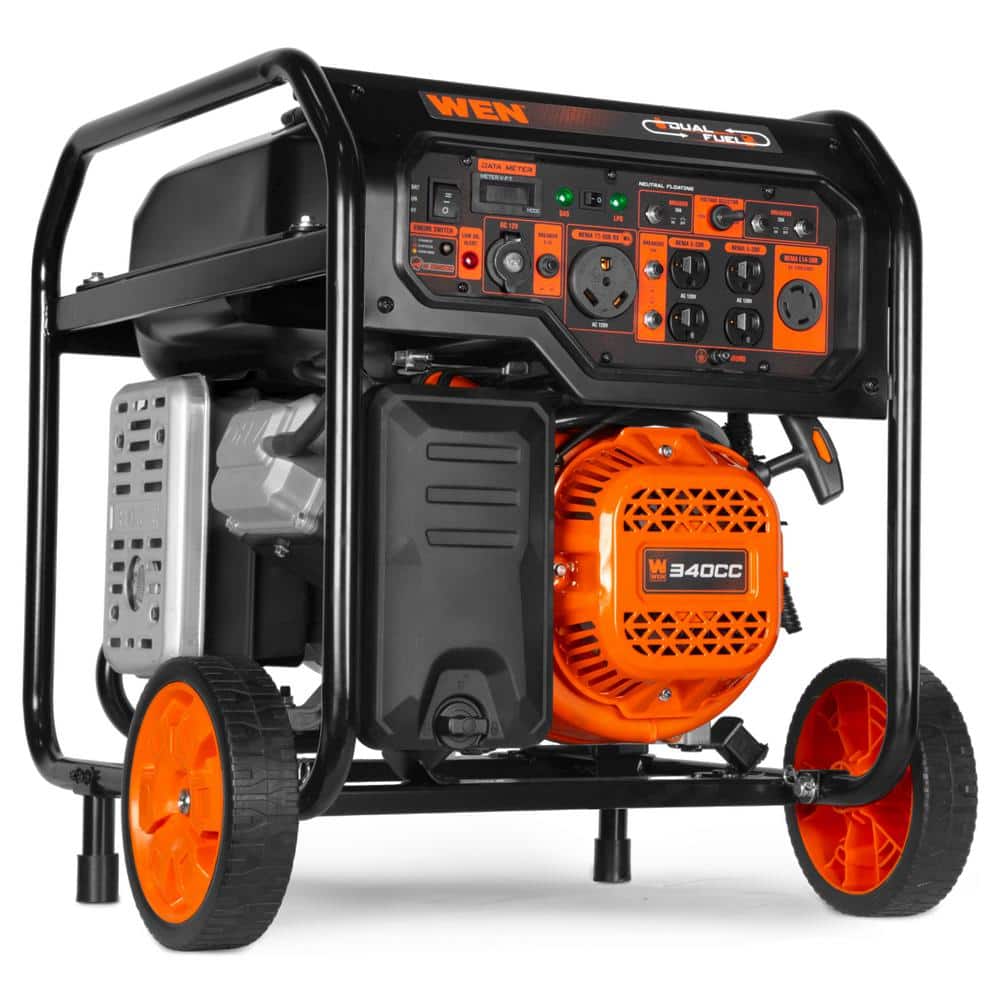

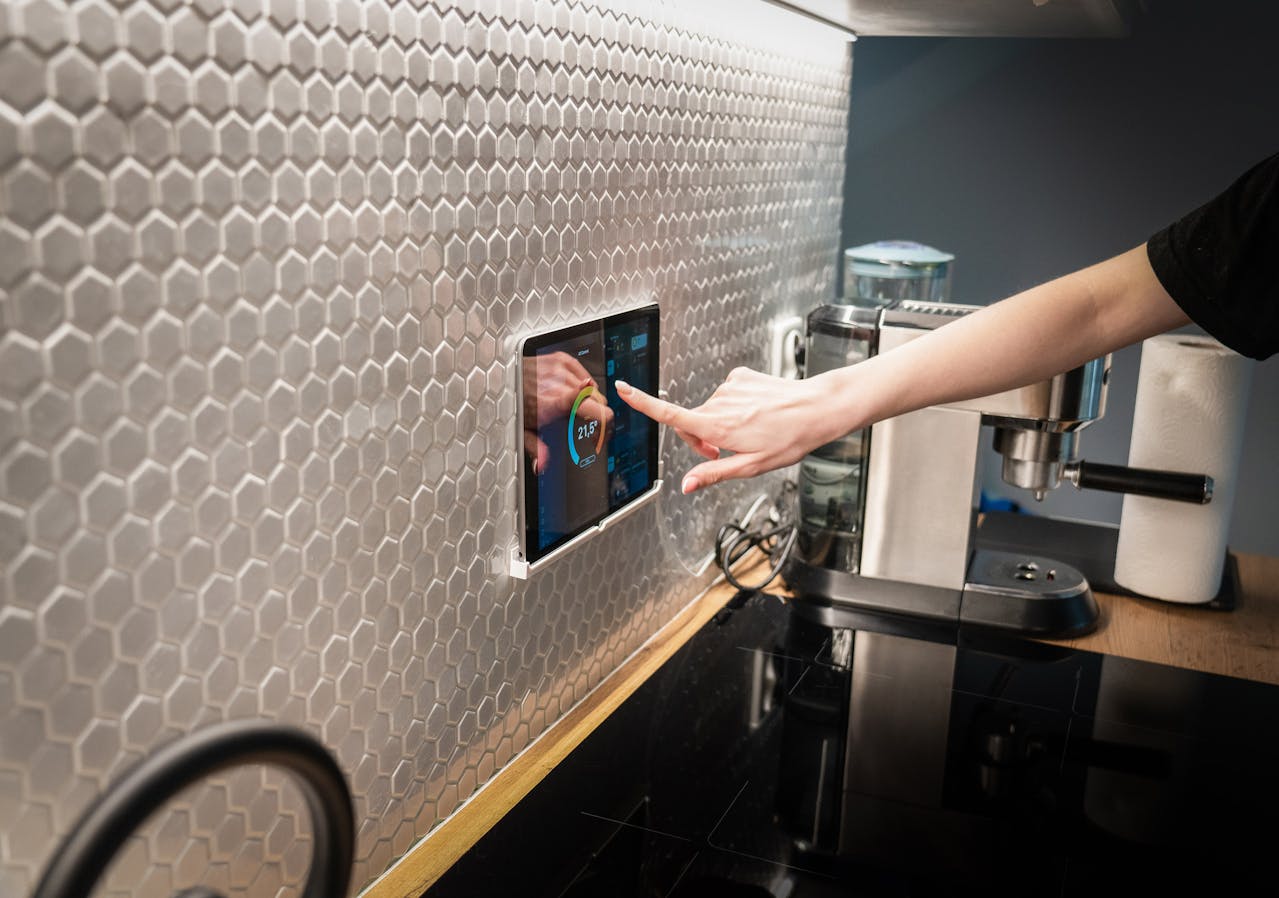
Homeowners with a well-built smart home reasonably expect their generator to join it — a card in the dashboard, an automation that texts when the power drops, maybe a voice query.
The honest 2026 answer: manufacturer apps are good, cross-platform integration is thin, and the automation that actually matters isn't the one people ask for.
What you definitely get
Every major brand ships a competent monitoring app:
- Generac Mobile Link — the most mature; current Next Generation Guardian units have cellular, Wi-Fi and Bluetooth built into the controller.
- Kohler OnCue Plus — Wi-Fi or Ethernet, remote start/stop, exercise scheduling.
- Briggs & Stratton InfoHub — cellular, subscription after the initial period.
- Cummins Connect Cloud — cellular, included.
- Champion aXis — app plus power-line-carrier communication to its transfer switch.
All of them provide status, run history, fault alerts, exercise scheduling and maintenance reminders. That's the functionality that matters, and it's solved. Full comparison in remote monitoring systems compared.
What "smart home integration" actually means here
Be precise about what you're asking for, because three different things get called integration:
1. Notifications on your phone. Universally available through the manufacturer app. This is the one that matters.
2. Appearing in a smart home platform (Alexa, Google Home, Apple Home, SmartThings, Home Assistant) as a device you can query or use in automations. Limited, inconsistent, and subject to change.
3. Deep automation — "if the generator starts, turn off the pool heater and text the neighbor." Mostly achievable only through workarounds.
Manufacturers have offered voice-assistant skills and platform integrations over the years, and they come and go. My advice is unchanged regardless of what's live this month: verify the specific integration you want with the manufacturer before you buy, and don't choose a generator brand based on a voice-assistant claim. The generator will outlive several smart home platforms.
What's genuinely worth automating
Here's where I'd spend the effort instead.
Notification routing
The single most valuable thing: make sure alerts reach a human who will act.
- Enable push notifications and confirm they arrive (trigger a manual exercise and watch).
- Add a second contact — spouse, adult child, neighbor — for when you're travelling.
- Prioritize four alerts: not in AUTO, exercise failure, maintenance due, low battery.
- If your app supports email alerts, route them to an address you can filter into something louder.
Back up your network
This one is genuinely important and widely missed. If your modem and router aren't on a generator-backed circuit or a UPS, then during an outage:
- your Wi-Fi-based generator monitoring goes offline exactly when it matters,
- your security cameras and alarm connectivity drop,
- and you lose internet in an emergency.
A small UPS on the modem and router costs $80–$150 and covers the transfer gap; a backed-up circuit covers the whole outage. Do both if you can. This is more valuable than any voice integration.
Load management — the real smart feature
The genuinely intelligent automation in a standby system isn't in an app; it's the load-management module. Generac's Smart Management Modules, Kohler's load shed, Briggs' Symphony II and Champion's demand control all watch generator output and sequence large loads automatically so a smaller generator can run a bigger house.
That's a real automation, it works without a network, and it saves thousands at purchase time. See sizing myths.
Smart panels
The more interesting frontier is smart electrical panels — Span, Lumin, Schneider and similar — which provide circuit-level control and monitoring and can prioritize loads during backup operation. They integrate with home platforms far better than generators do, and they're a genuine option if you're doing a panel upgrade anyway. They're also expensive and add a dependency to your electrical service; discuss with an electrician who has actually installed them.
Home Assistant and enthusiast routes
If you run Home Assistant, community integrations exist for several generator platforms with varying reliability. They're unofficial, they break when manufacturers change APIs, and they're a hobby rather than infrastructure. Fine if that's your thing; not something to base a purchase on.
A realistic setup
What I'd actually build for a connected home with a standby generator:
- Generator with cellular monitoring, app installed, notifications verified.
- Second contact added to the account.
- Modem and router on a backed-up circuit plus a small UPS.
- Load management modules on the AC and water heater.
- Whole-house surge protection at the panel — smart homes are full of electronics, and the transfer event plus storm surges are what kill them. See power quality.
- Smart plugs on non-critical high-draw loads (space heaters, pool equipment, EV charging) so you can shed them from your phone during a long outage. This is cheap, uses gear you may already have, and doesn't depend on the generator integrating with anything.
- A written endurance plan — which loads you shut off if the outage runs long. Automation can't make that judgment for you.
What to ask before buying
- What connectivity is included with this unit — cellular, Wi-Fi, or an add-on?
- Is there an ongoing subscription, and what does it cost after the trial?
- Can the app send alerts to multiple people?
- Does it support remote start/stop and exercise scheduling?
- Can my dealer receive alerts too?
- Is there a documented integration with the platform I use — and can you show it working?
Answers to the first five are what you'll actually live with. The sixth is nice if it's there and not worth compromising on the generator to get.
The bottom line
Your generator will connect to your phone, tell you when it ran, warn you when it faults and remind you when service is due. That's the integration that prevents the failure mode that matters — a generator quietly broken for four months.
Deep smart-home integration is a bonus that varies by brand and year. Get the monitoring right, back up your network, use load management, and treat voice control as a novelty rather than a requirement.
Connected generator gearAd
Wi-Fi and cellular-monitored units, a propane-tank sensor, and panel surge protection.
Paid links · As an Amazon Associate, GenDealers earns from qualifying purchases.